Zambia Anglican Council (ZAC)
Sharing a Vision for Sustainable Change:
Breaking down barriers and building up communities.
“We’re empowering each other, and challenging the traditional roles imposed upon us. Together, we’ are sending a powerful message about gender equality.” Female member of Kalwani community.
In Kalwani, change began with a simple conversation and a shared hope for a better future. Members of the Gender Action Group (GAG) and the Men Engage Network (MEN, which mobilises men to work together to challenge anti-social behaviours and become role models to other men) came together with a common purpose: to improve community well-being and create change that would last. What started as an idea soon grew into a bold decision to invest in sunflower farming, using the land, labour, and determination they already had.
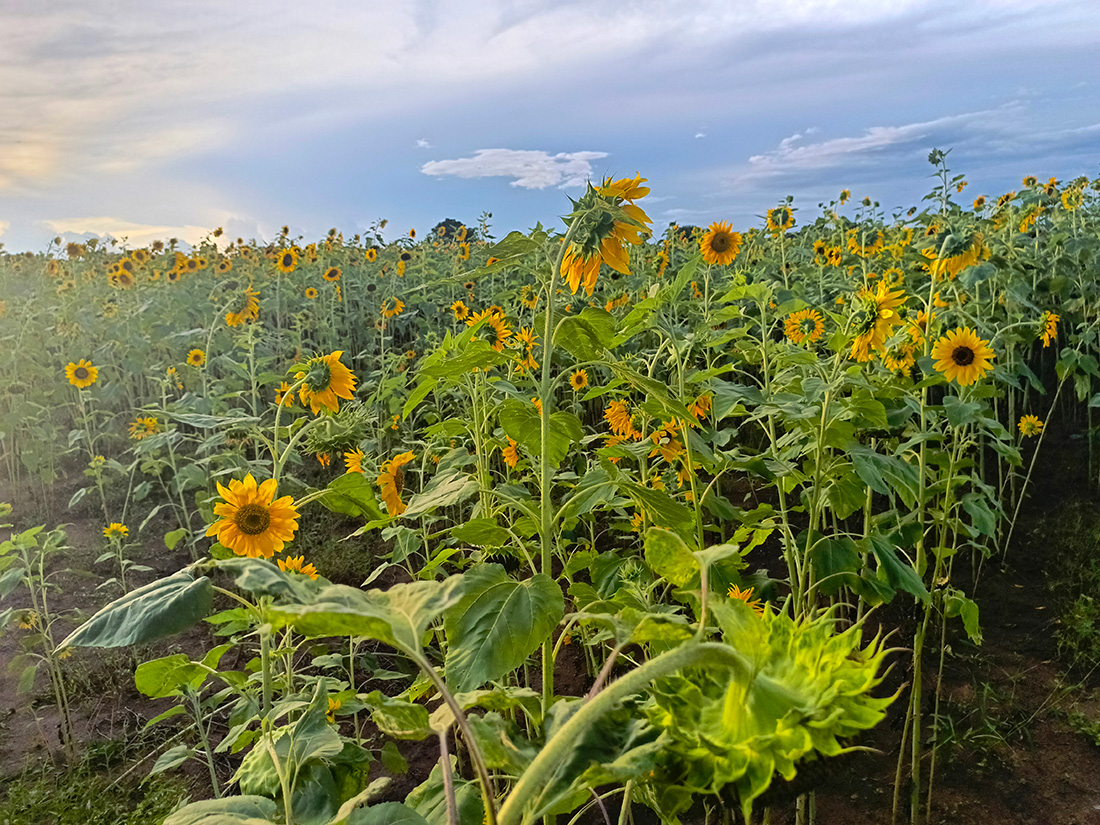
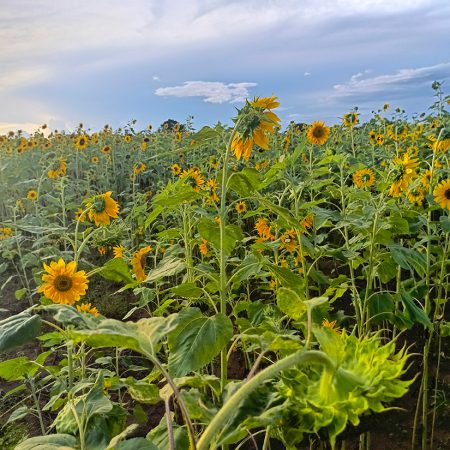
The successful sunflower crop yielded 300kg of sunflower seeds. Some was sold as seed and some made into sunflower oil for sale. © ZACOP. Used with permission.
The ABM AID funded Gender Equality initiative was the catalyst they used to turn their vision into action. During one of their meetings, a GAG member spoke up with a practical suggestion. Why not invest in farming? Together, they listed their resources and realised they had everything they needed: land, willing hands, and seeds. With the climate on their side, sunflowers emerged as the perfect choice. Pooling their resources, the two groups secured a two-acre field and began their journey with excitement and a sense of possibility.
As the rains came, so did hope. The once bare field slowly transformed into a vibrant sea of yellow as the sunflowers bloomed. Members stood together, smiling as they watched their hard work come to life. The crop was more than just a plant in the soil. It represented income, opportunity, and a shared future. They spoke about using the proceeds to fund community development initiatives, offer training programmes, and provide resources to empower even more people.
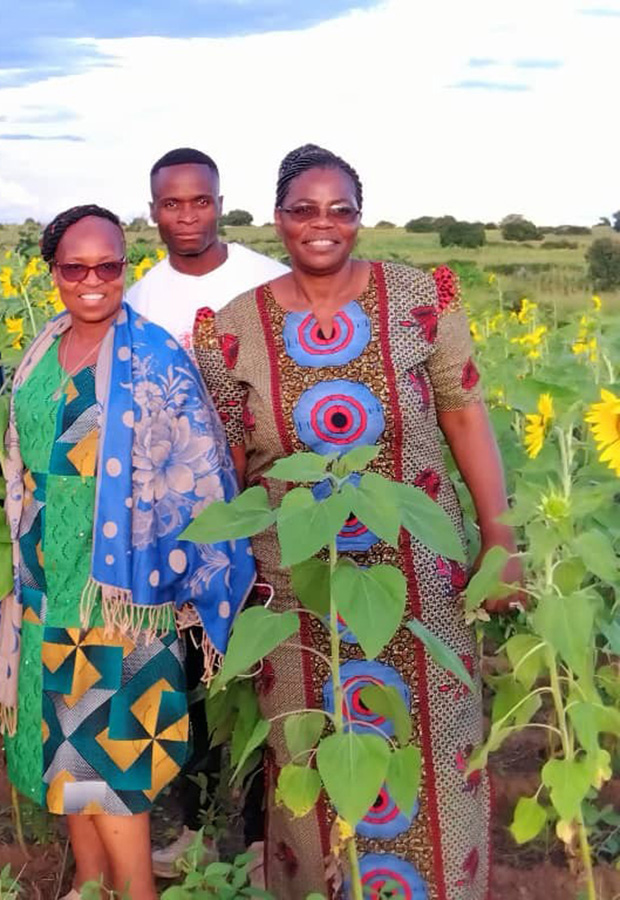
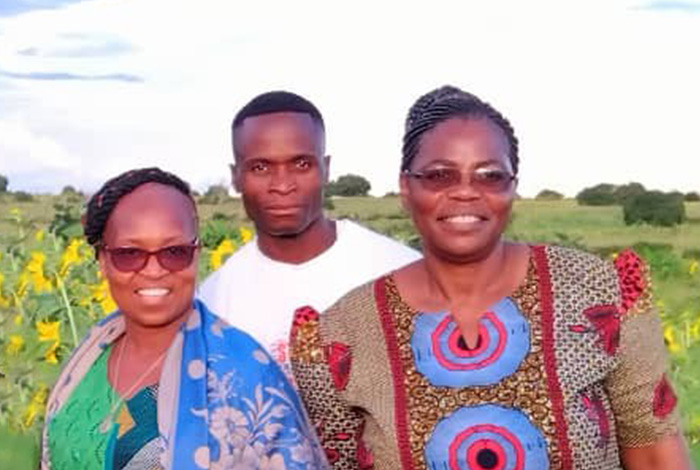
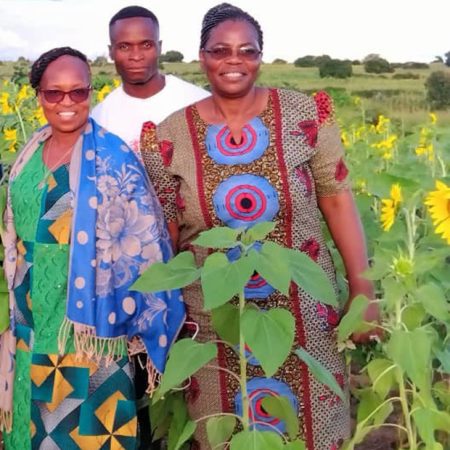
ZACOP Country Director, Ellen Mubanga (R), stands among the successful sunflower crop with Kalwani Gender Action Group Secretary, Million (centre), and Diocese Gender Coordinator, Susan (L) © ZACOP. Used with permission.
When harvest time arrived, the results exceeded expectations. From the two acres of land, they harvested 300 kg bags of sunflower. It was a moment of pride and proof that their collective effort had paid off.
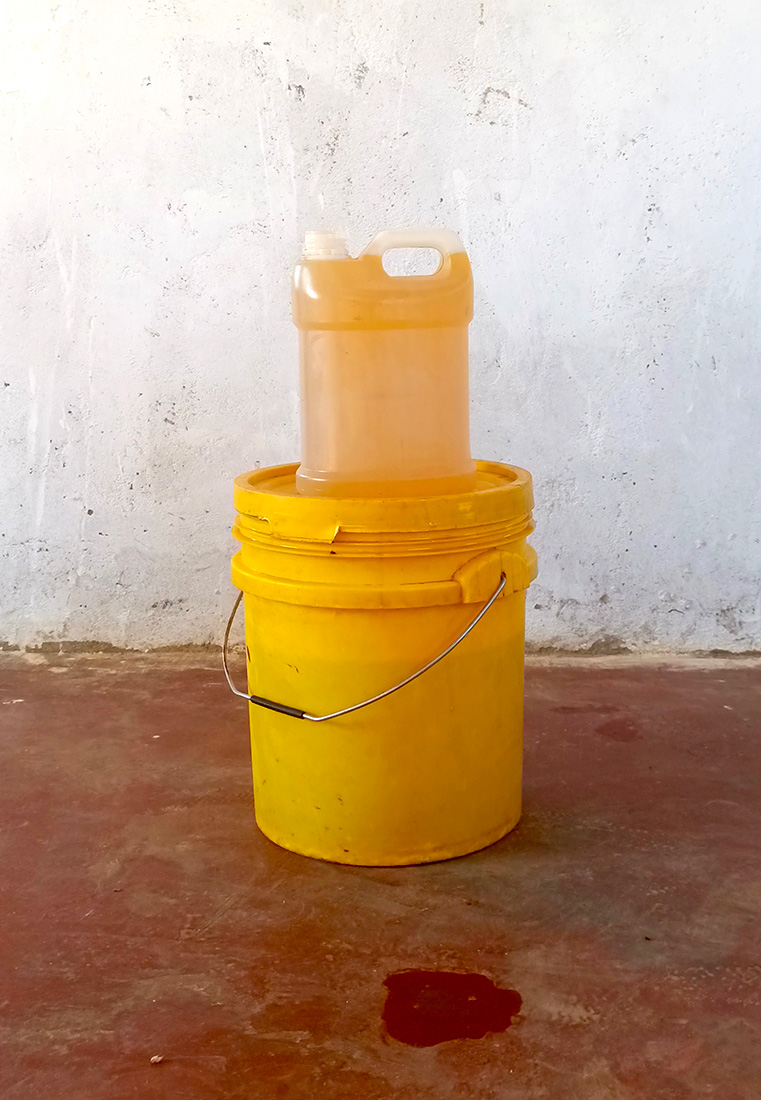
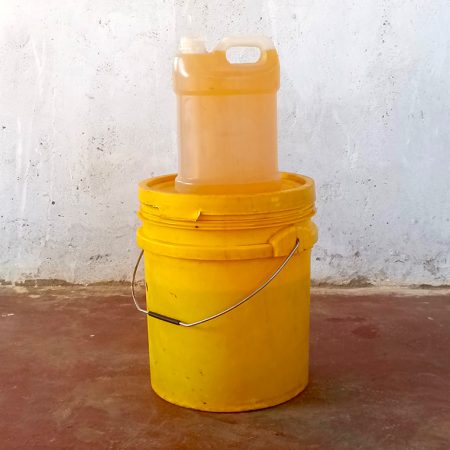
Containers of sunflower oil produced from the farming partnership between the Kalwani Gender Action Group and the Men Engage Network © ZACOP. Used with permission.
Looking back on the journey, one member captured the spirit of the project by saying, “We are proud to take ownership of our project’s sustainability. This is not just about us; it’s about our entire community.” Venturing into farming had been a risk, especially after the drought experienced between 2023 and 2024. There was uncertainty and doubt about whether the effort would succeed. Yet, as they adapted to challenges, they gained new skills. Collaboration sparked creativity and innovation, helping them achieve far more than they had first imagined.
The farming project also reshaped long-standing beliefs. Agriculture had traditionally been seen as a male-dominated activity, but in Kalwani, women worked side by side with men at every stage. One woman summed it up with pride, saying, “We’re empowering each other, and challenging the traditional roles imposed upon us. Together, we’ are sending a powerful message about gender equality.” Their unity showed that shared responsibility could break down stereotypes rooted in generations past.
Word of their success spread beyond their fields. Neighbouring villages noticed the fellowship between men and women and began to see that collaboration could rise above gender divisions. Inspired by what they witnessed, others started questioning social norms and taking steps toward equality in their own communities.
The sunflower fields of Kalwani became more than a source of income. They became a symbol of what is possible when people come together with a shared vision. By planting sunflowers, the Gender Action Group and Men Engage Network planted seeds of change, strengthening relationships and laying the foundation for a more equitable and sustainable future for generations to come.
Our Partner – the Zambia Anglican Church Outreach Program (ZACOP)
“We’re empowering each other, and challenging the traditional roles imposed upon us. Together, we’ are sending a powerful message about gender equality.” Female member of Kalwani community.
In Kalwani, change began with a simple conversation and a shared hope for a better future. Members of the Gender Action Group (GAG) and the Men Engage Network (MEN, which mobilises men to work together to challenge anti-social behaviours and become role models to other men) came together with a common purpose: to improve community well-being and create change that would last. What started as an idea soon grew into a bold decision to invest in sunflower farming, using the land, labour, and determination they already had.
The successful sunflower crop yielded 300kg of sunflower seeds. Some was sold as seed and some made into sunflower oil for sale. © ZACOP. Used with permission.
The ABM AID funded Gender Equality initiative was the catalyst they used to turn their vision into action. During one of their meetings, a GAG member spoke up with a practical suggestion. Why not invest in farming? Together, they listed their resources and realised they had everything they needed: land, willing hands, and seeds. With the climate on their side, sunflowers emerged as the perfect choice. Pooling their resources, the two groups secured a two-acre field and began their journey with excitement and a sense of possibility.
As the rains came, so did hope. The once bare field slowly transformed into a vibrant sea of yellow as the sunflowers bloomed. Members stood together, smiling as they watched their hard work come to life. The crop was more than just a plant in the soil. It represented income, opportunity, and a shared future. They spoke about using the proceeds to fund community development initiatives, offer training programmes, and provide resources to empower even more people.
ZACOP Country Director, Ellen Mubanga (R), stands among the successful sunflower crop with Kalwani Gender Action Group Secretary, Million (centre), and Diocese Gender Coordinator, Susan (L) © ZACOP. Used with permission.
When harvest time arrived, the results exceeded expectations. From the two acres of land, they harvested 300 kg bags of sunflower. It was a moment of pride and proof that their collective effort had paid off.
Containers of sunflower oil produced from the farming partnership between the Kalwani Gender Action Group and the Men Engage Network © ZACOP. Used with permission.
Looking back on the journey, one member captured the spirit of the project by saying, “We are proud to take ownership of our project’s sustainability. This is not just about us; it’s about our entire community.” Venturing into farming had been a risk, especially after the drought experienced between 2023 and 2024. There was uncertainty and doubt about whether the effort would succeed. Yet, as they adapted to challenges, they gained new skills. Collaboration sparked creativity and innovation, helping them achieve far more than they had first imagined.
The farming project also reshaped long-standing beliefs. Agriculture had traditionally been seen as a male-dominated activity, but in Kalwani, women worked side by side with men at every stage. One woman summed it up with pride, saying, “We’re empowering each other, and challenging the traditional roles imposed upon us. Together, we’ are sending a powerful message about gender equality.” Their unity showed that shared responsibility could break down stereotypes rooted in generations past.
Word of their success spread beyond their fields. Neighbouring villages noticed the fellowship between men and women and began to see that collaboration could rise above gender divisions. Inspired by what they witnessed, others started questioning social norms and taking steps toward equality in their own communities.
The sunflower fields of Kalwani became more than a source of income. They became a symbol of what is possible when people come together with a shared vision. By planting sunflowers, the Gender Action Group and Men Engage Network planted seeds of change, strengthening relationships and laying the foundation for a more equitable and sustainable future for generations to come.
The Work We Support
1. Zambia Anglican Council Outreach Program (ZACOP)
ABM AID partners with ZACOP to confront gender-based violence and uplift women, particularly those in rural communities. Believing that gender-based violence harms everyone, ZACOP approaches the issue as a whole‑of‑community challenge, working to transform attitudes, strengthen support systems, and build safer, more empowered communities for all.
ZACOP’s ABM AID funded Gender Equality and Integration Project works through local Anglican parishes, which are well-established grassroots community connectors. Starting with community information sessions around gender based violence and disability, volunteers are encouraged to form Gender Action Groups (GAG) to receive ongoing training and support. After attending sessions run by GAG members, many men decide to join the Men Engage Network (MEN), which mobilises men to work together to challenge anti-social behaviours and become role models to other men.
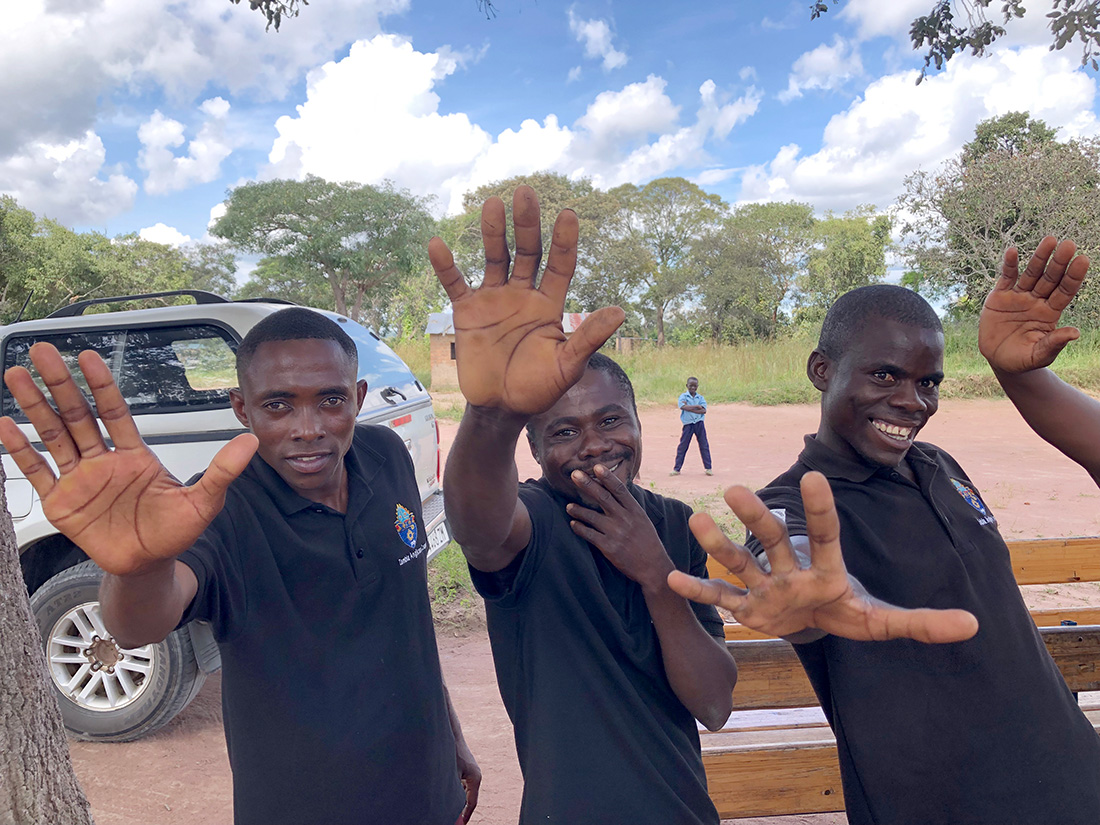
These Gender Action Group members are serious about ending Gender-based Violence. © Julianne Stewart/ABM.
This work not only benefits women and families who have survived domestic violence, but also people living with a disability.
Through consistent support, advocacy, and practical training, the project creates a safe space where survivors of abuse and people living with a disability begin to heal and rediscover their value. Step by step, they learn new skills, gain knowledge about their rights, and receive financial support to start income-generating activities. What begins as simple training sessions soon turn into moments of transformation, as participants realise they can shape their own futures.
Savings with Education Groups are formed by local women, including survivors of GBV and women living with or caring for someone with a disability. Here they learn literacy and numeracy skills and get access to small loans to start new income generating activities.
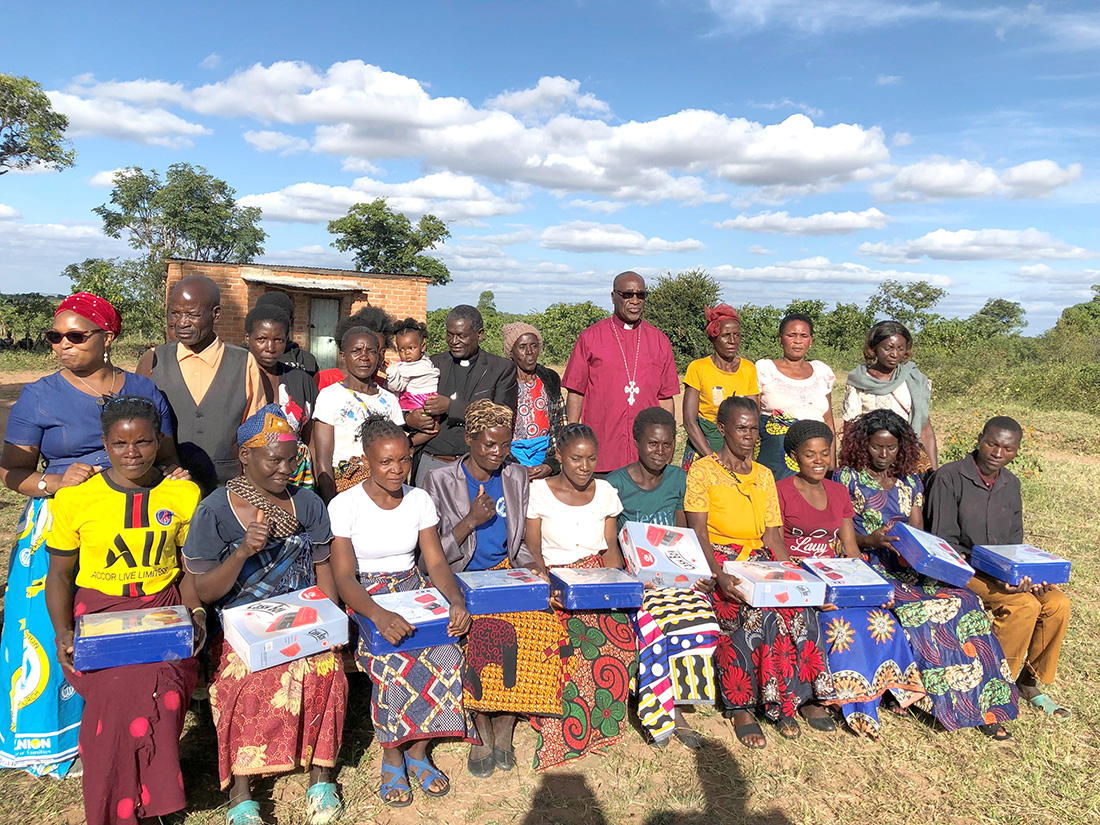
Savings with Education group leaders receiving their group’s cash box © Julianne Stewart/ABM
Whether it be small vegetable gardens, making and selling handicrafts, or starting a small business, each activity becomes more than a source of income. It is proof of resilience and a reclaiming of self-worth. With every sale, confidence grows stronger.
Survivors and people with disabilities speak openly about the difference the initiative makes in their lives. They express gratitude not just for the material support, but for the belief placed in them. Being seen, heard, and trusted helps rebuild what had once been taken from them.
ZACOPs work is laying the foundation for lasting financial stability. The income earned is helping families meet their basic needs and improve overall well-being. More importantly, it is giving participants the means to stand independently. Their progress promises to extend the impact of the project far beyond its original timeline, ensuring that the journey of healing, empowerment, and dignity continues for years to come.
2. St John’s Seminary in Kitwe
To read about theological education supported by ABM in Zambia, please click here.
More information about Zambia
The Republic of Zambia is a landlocked country in central-southern Africa, full of dramatic natural beauty and astonishing wildlife. Most visitors would come to see the majestic Victoria Falls but leave with new insight into another of Zambia’s true wonders – the resilience and strength of a people grappling with extreme poverty.
After a period of steady economic growth in the early 2000s, Zambia’s economy came under strain beginning 2015, largely due to a combination of falling global copper prices, severe power outages, and low rainfall. Economic conditions worsened in 2020-2021 due to the global COVID-19 pandemic. 2025 statistics show that 60% of the country’s 20 million people live below the income poverty line, with this figure rising to 78.8% in rural areas.
Many of the poorest people live in households headed by women. Women experience high degrees of domestic violence, and child marriage is still commonly practised, especially in rural areas. Customary land tenure and inheritance can also disadvantage women. Yet women are largely responsible for food production and many other income-generating activities and household duties, while men often migrate to urban areas in search of employment.
A Prayer for our Partner
God of compassion, we thank you for all who work to improve water availability, sanitation and health, and food security in Myanmar.
Bless those whose kindness provides clean water, safe hygiene, or daily bread.
We honour the courage of the people, whose resilience persists through the coup, devastating floods, and the earthquake.
Strengthen communities as they withstand strained circumstances.
Protect the vulnerable and sow hope. May ABM AID’s partnership with the Church bring dignity, justice and peace, along with a future where families thrive.
Guide those who implement the programs, and let justice, safety, and health flow freely for all.
Hear our prayer through Jesus Christ our Lord.
Amen.



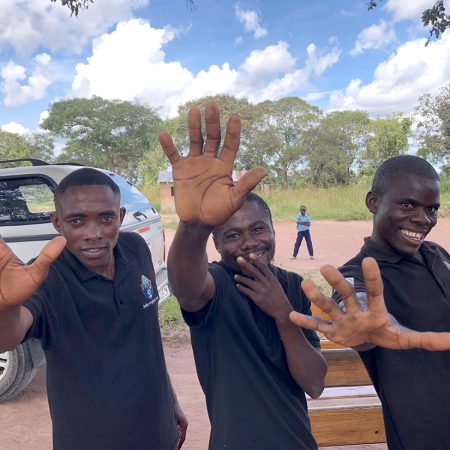
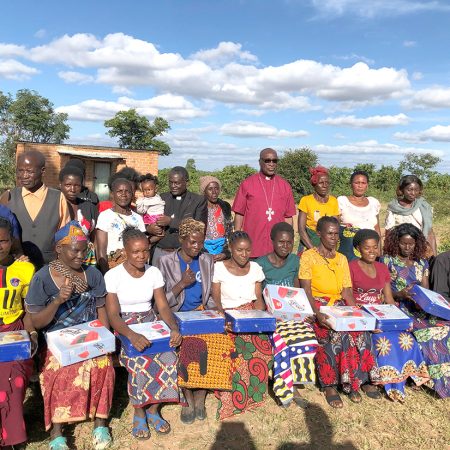
Your gift helps vulnerable communities break cycles of violence, and empowers local leaders to build safer families so that everyone can thrive.
We hope to raise
$45,000
for this partner
Donation code: XG011
Tax-deductible
Donate Online Now
Your gift helps vulnerable communities break cycles of violence and empowers local leaders to build safer families so that everyone can thrive.
Click here for other donation options
Need help? Call us 1300 302 663
As noted, this is a tax-deductible project. All donations are in Australian dollars (AUD) and all gifts of $2 or more are tax-deductible. Gifts are received by the trustee for the ‘Anglicans in Development Ltd’ ABN 86 647 293 481 Gifts will be applied to the support of projects selected. In the unlikely event of projects being oversubscribed or not proceeding to completion, donations will be applied to similar projects.
Updates
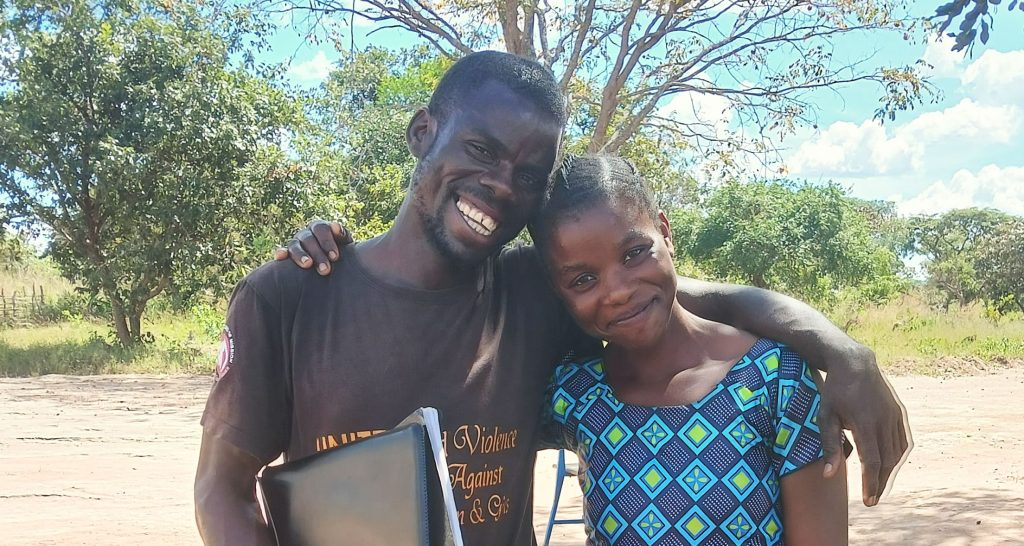
“This project has transformed lives”: Zambia evaluation finds less conflict, more equality between men and women
An independent evaluation of the Zambia Anglican Council’s Gender Program has found that equality between men and women has improved, conflict has reduced, and local organisations have banded together as a result of the program’s activities.
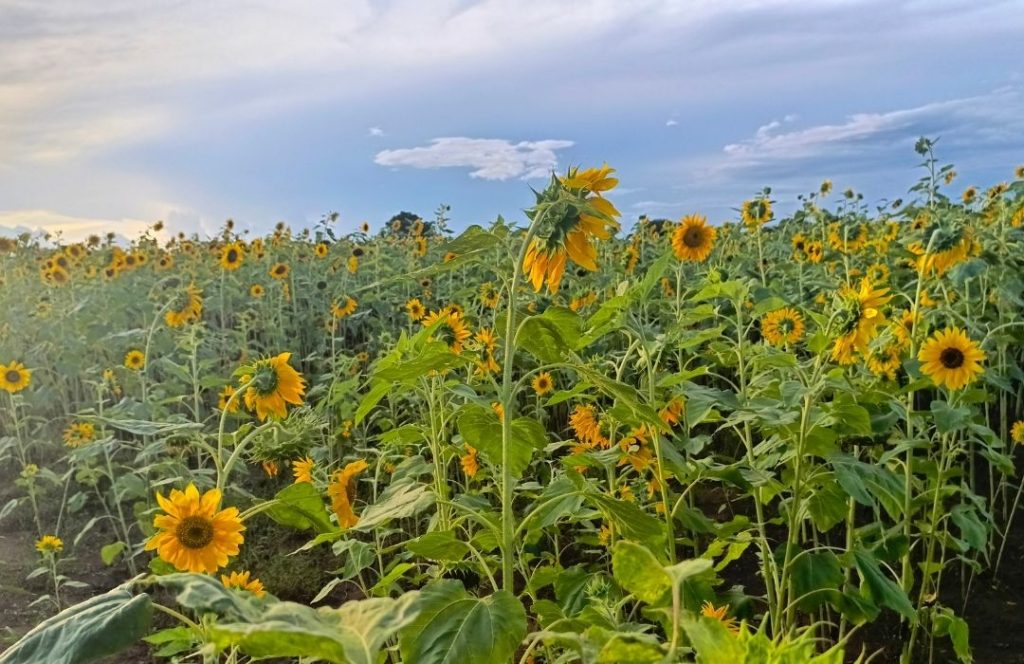
Seeds of Change: How Sunflowers, Football and Bicycles Grow Gender Equity in Zambia
In the wake of a devastating drought, embarking on a new agricultural venture felt like a gamble for the residents of Kalwani Diocese in Eastern Zambia. Yet, staring down uncertainty and with the support of ABM AID's local partner, the Zambia Anglican Council Outreach Program, the risk was worth it. Two community groups chose to plant sunflowers.
Churches in Zambia and PNG helping women take the lead to improve their lives
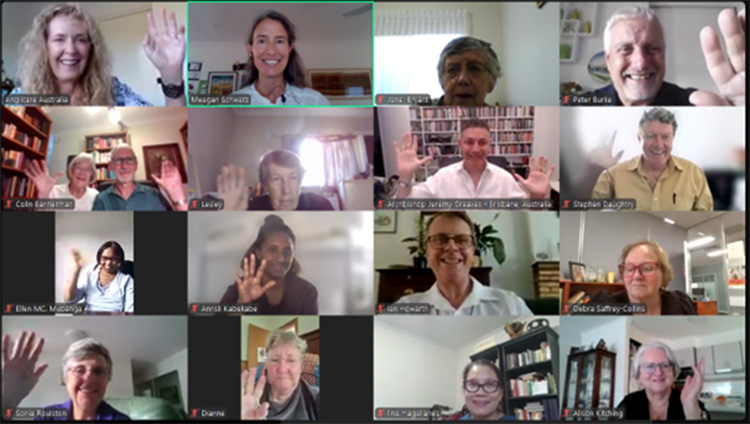
On the eve of the World Day of Prayer, ABM supporters heard how the Anglican Church empowers women in Zambia and PNG. Host Kasy Chambers emphasized involving men and women in preventing domestic violence, echoing Annsli’s challenge: “We are agents of change. What are you going to do about it?”
