Episcopal Church in the Philippines (ECP)
Crabnets, water tanks, mangroves and friendship:
Rufina’s story
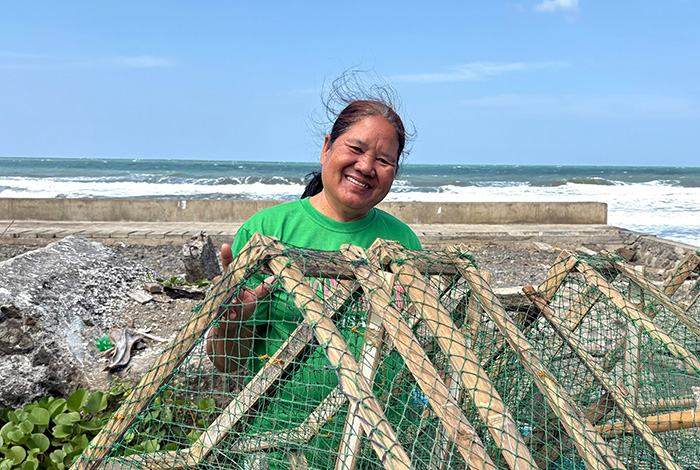
Rufina and her husband earn their income by catching and selling crabs. Before Rufina joined the Songcolan Seashore Livelihoods Assoiation (SSLA) and participated in E-CARE’s Receivers to Givers (R2G) Program, they often had to resort to loans to cover emergency expenses or even daily expenses when their catch was low due to rough weather. The income they received from selling crabs would only just cover the loan repayments and daily needs, meaning they couldn’t save any money, no matter how hard they worked. Once SSLA had completed their first round of training with E-CARE, they were invited to access a loan, which was distributed among members. Rufina used her part of the loan to buy materials to make more crab nets and build a bigger stronger boat with the help of her husband.
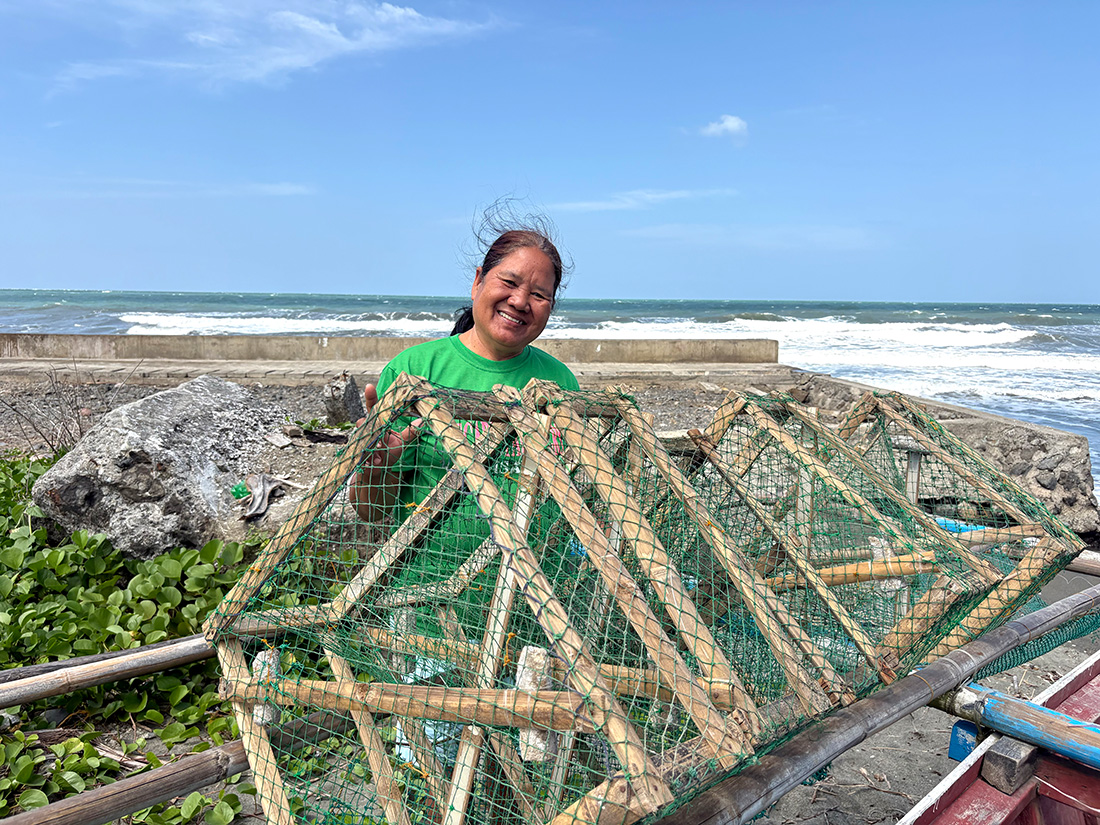
Rufina, a member of the Songcolan Seashore Livelihoods Association, with the new boat and crabnets she built. Her income is more secure thanks to participating in Receivers to Givers with ECARE © ABM/Meagan Schwarz.
“Thanks to SSLA and R2G, I now keep more of my income which I save for days when it’s too rough for my husband to check the nets. I no longer worry about how I’ll pay for food. I can also now access the SSLA social fund to pay for emergency medical treatment at no interest.”
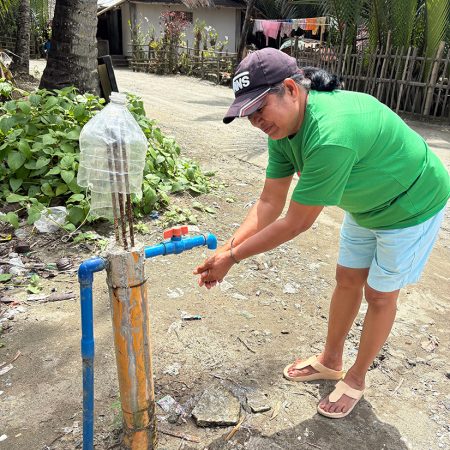
Rufina’s community has also benefited from newly installed water tanks that provide water near their homes for part of the dry season. The tanks are filled from the large roof of the centrally located community recreation hall (which doubles as an emergency centre and basketball court). ECARE installed these tanks in partnership with the local government, and more are planned to increase the storage capacity.
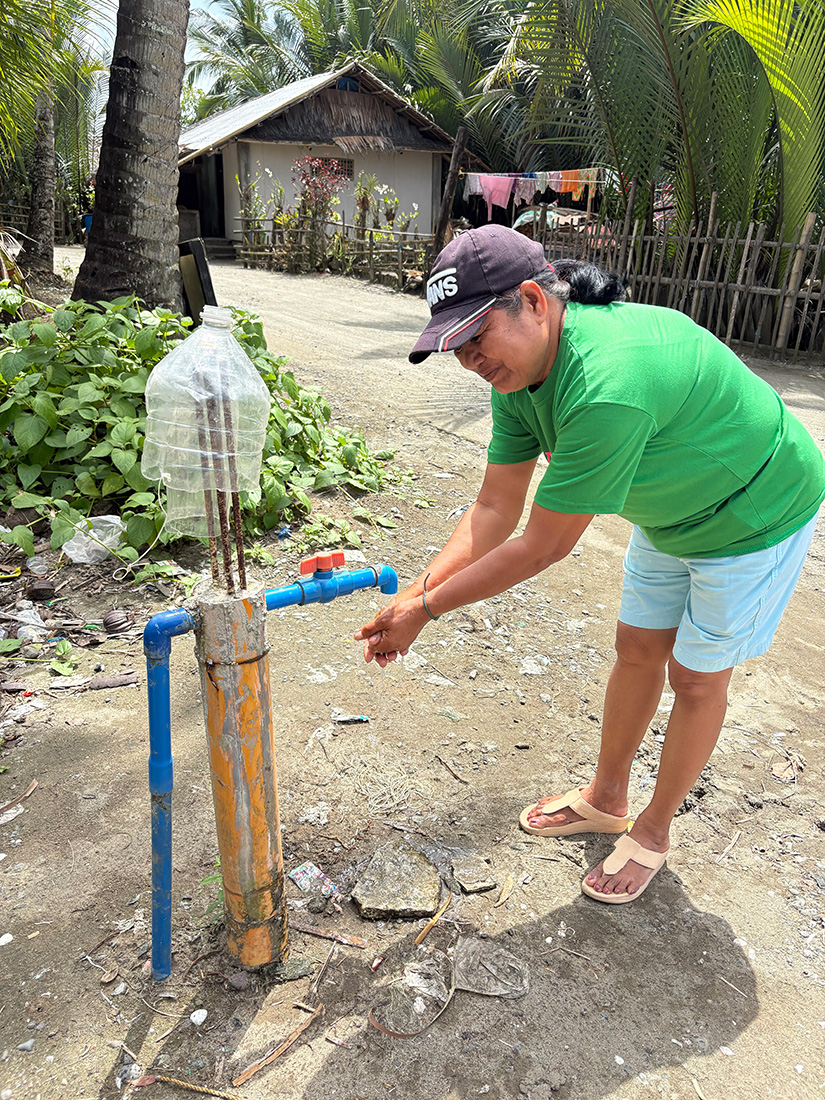
Rufina is able to access running water near her home thanks to newly installed rain water tanks in her community. © ABM/Meagan Schwarz.
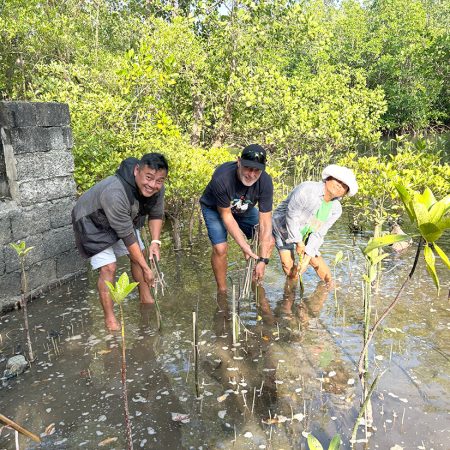
SSLA members volunteer their time to help restore the local mangrove shorelines which were damaged in a typhoon. The mangroves contribute directly and indirectly to many livelihoods as well as protecting homes from erosion and store surges.
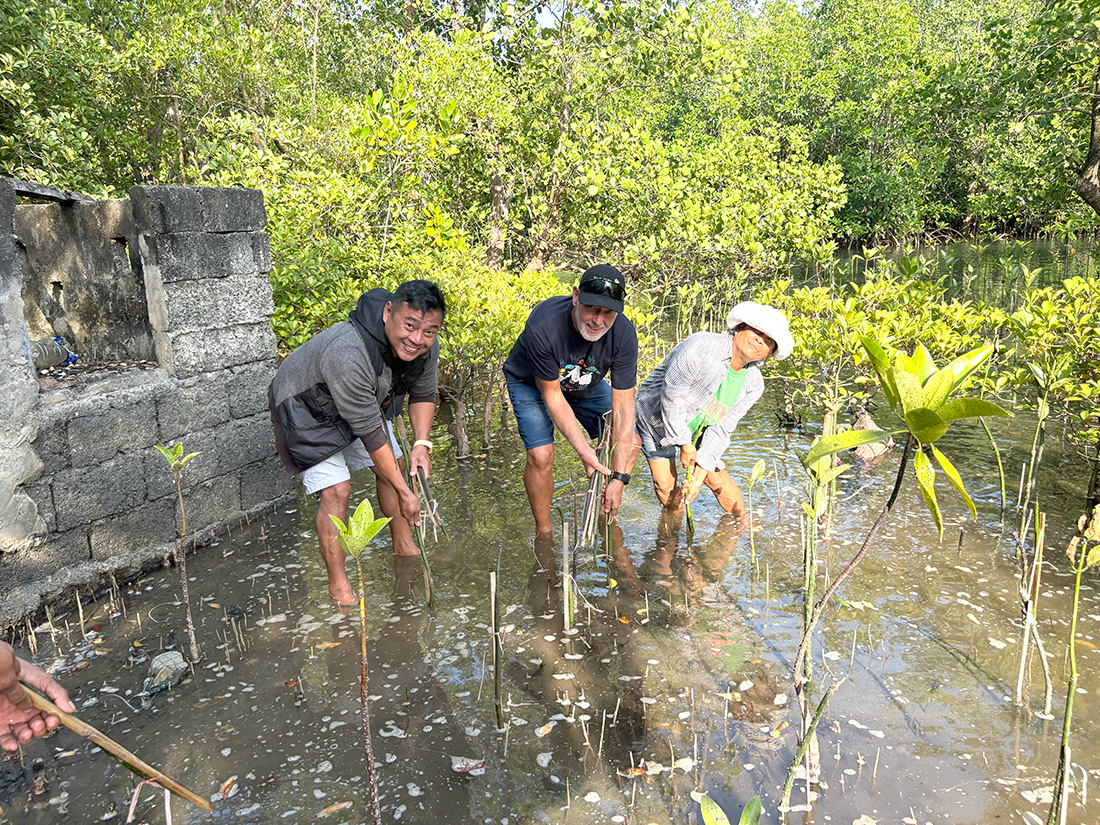
Rufina and other local volunteers have planted thousands of mangrove propagules to help restore the seashore. © ABM/Meagan Schwarz.
Another, unexpected benefit from being a member of SSLA is the friendships Rufina has developed with the other members. They now share their problems with each other, and support one another through family illness and bereavement. One member shared “I have a good feeling being part of SSLA. We’ve become friends and exchange knowledge and stories. I get advice from other members. I don’t feel alone.”
Rufina summed up what it means to be a member of SSLA and to participate in R2G: “It is more than just about the money – we hear each other’s stories, share and support one another, grow in faith and find strength in each other.
Our Partner – the Episcopal Church in the Philippines
ABM AID partners with the Episcopal Church in the Philippines (ECP), and particularly with its Episcopal Community Action for Renewal and Empowerment (E-CARE ) Foundation. The mission of E-CARE is to support self-reliant and sharing communities through asset-based community development and the ‘Receivers to Givers’ policy.
We also partner with the Episcopal Diocese of Santiago (EDS), located partly in Isabela and partly in Mountain Province in Luzon.
ABM AID works closely with CPM to deliver programs that improve access to clean water, safe sanitation and better hygiene, while also strengthening livelihoods through small business training and improved farming practices.
AID is committed to strengthening the skills and capacity of church staff, ensuring they are equipped to respond confidently and effectively to the development challenges facing their communities.
The Work We Support
1. Enhancing Primary School Education in Isabela – St Mark’s Campus
To meet the great demand for education in the Philippines’ Isabela Province, ABM AID is working with the Episcopal Church’s Diocese of Santiago (EDS) to continue the expansion of St Mark’s Campus of the EDS Children’s Learning Centre Inc.
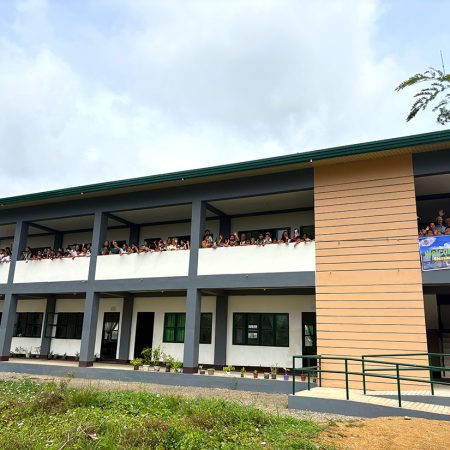
The project includes the construction of two buildings, each designed to meet government standards within the site’s layout. The first building, comprising four classrooms and 2 offices, was officially opened in March 2026.
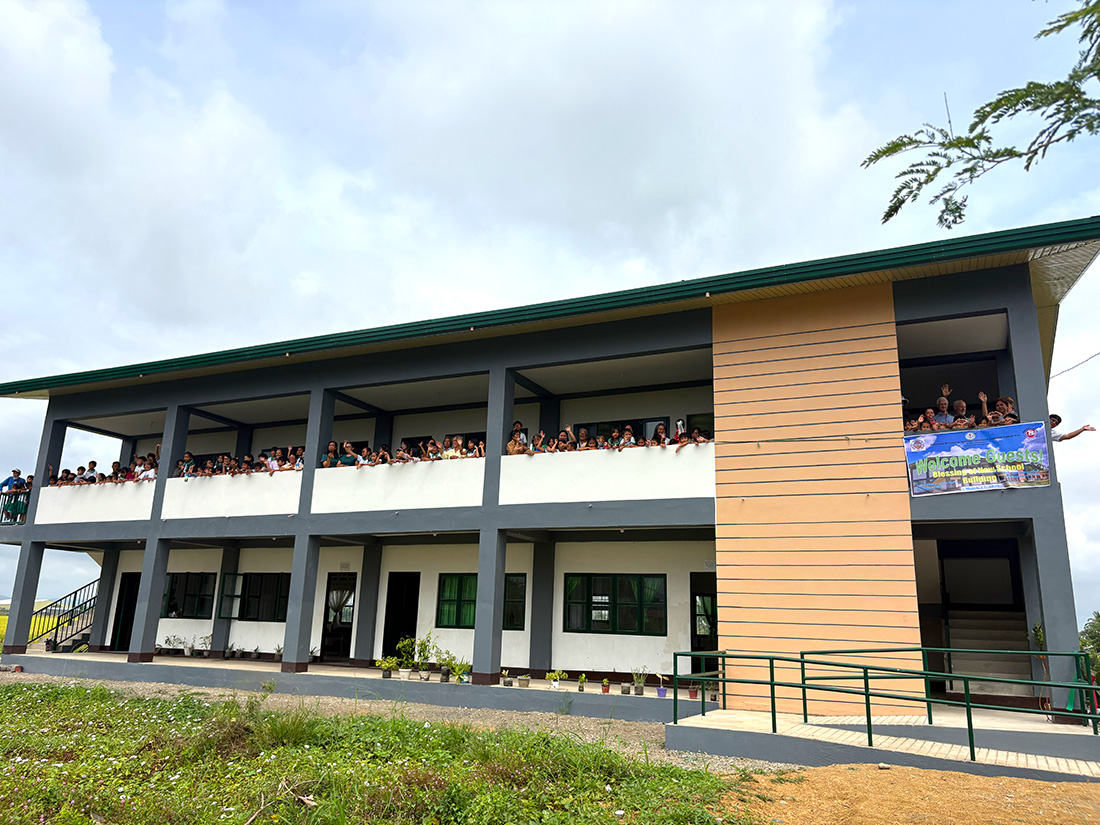
The newly completed two-storey building at St Mark’s Campus, Isabela Province, officially opened in March 2026 © ABM/Meagan Schwarz.
With the development of safe and supportive learning spaces, the campus continues to advance toward its goal of offering a full elementary education program. New grade levels are added each year, with current enrolments from Nursery to Grade 5 (starting in July 2026). The student population is steadily increasing. In March 2028, the school anticipates hosting its first Gr 6 graduation ceremony, a major milestone in its growth.
In addition to physical expansion, the school has successfully launched its endowment fund, a vital step toward securing long-term financial sustainability. Former students are forming an Alumni Association to help support this growth and the Parents and Teachers (PTA) provide in-kind support and organise fundraising activities. Some Alumni now send their own children to St Mark’s.
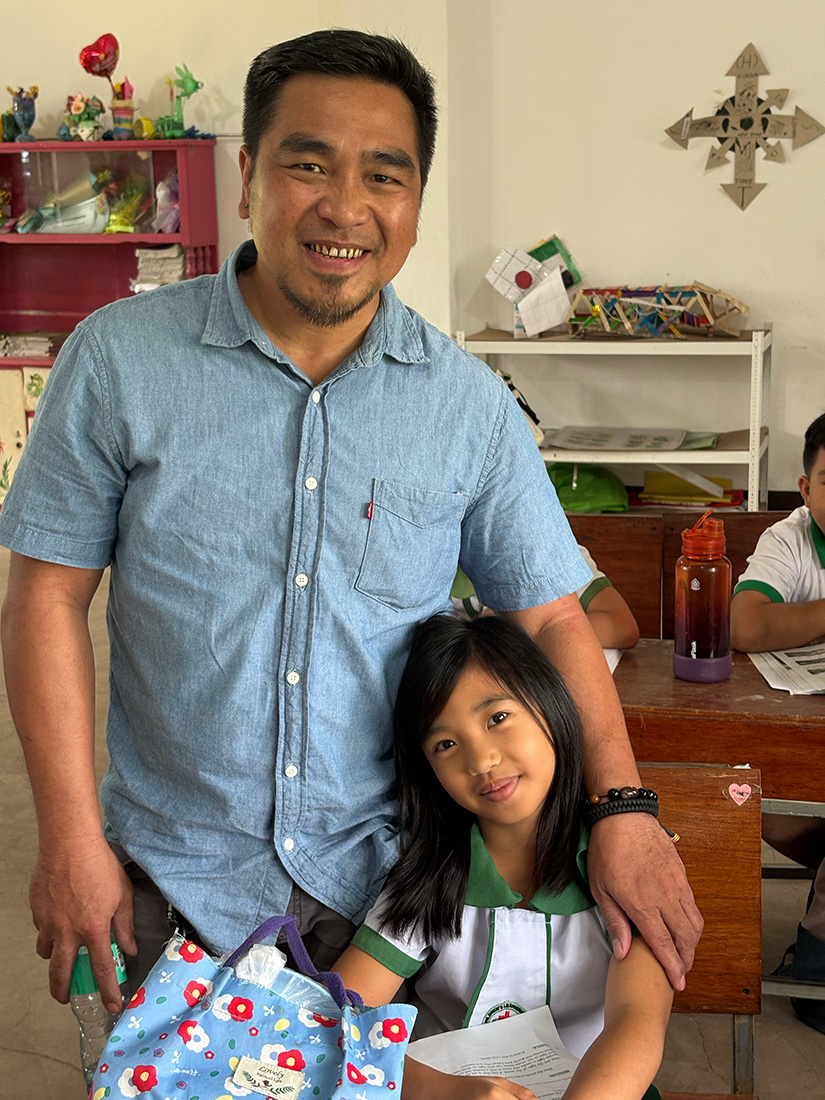
Clint attended St Mark’s when it was just a kindergarten and is now the architect overseeing the new development. He’s proud of his contribution knowing it’s not just his daughter who will benefit. And it’s not just Clint who is grateful for this school.
The guardian of a Grade Three student says, “What I can say about this school, especially now that there is a new building for Grades Five and Six classrooms? It is really good, especially for those who live near this area, because they don’t need to spend money on transportation to go to another school”. A Grade One student says, “I’m happy because I will not transfer to another school when I reach Grade 5. I also want the school to offer Grades Seven and Eight or High School”.
A parent of a pre-schooler speaks highly of the school’s welcoming ethos, saying, “As to why I chose the Episcopal Diocese of Santiago’s Children’s Learning Center (St Mark’s School), it is because I’ve already experienced the kind of education you are offering with my first child. It is really quality. Also, I admire the patience of the teachers in handling their students. Also, we chose [the school] because the school principal, Ma’am Janny Vine Batoy, accepted us despite knowing that our child has ASD or autism spectrum disorder. I am very thankful for that. I am also thankful to our understanding teacher, Ma’am Miracle Cawas, I am really grateful because, despite my child’s condition, [the school] welcomed us, especially my child [with autism]. So, I hope that [the school] will continue to prosper.”
2. The Building Resilient Communities Program – A Shared Path toward Resilience
E-CARE says: “[We] hope to enable communities to be more sustainable, resilient, climate responsive and have a development framework that is Christian values-based. This is E-CARE’s response to the lessons and insights brought about by the pandemic and how to utilise the opportunities and potentials of this new normal”. This year will again focus on Care of Creation.
Climate change is increasingly disrupting life in the Philippines, bringing stronger storms, erratic rainfall longer droughts, and uncertainty around essentials like water, food, and income. In response, E‑CARE is running a programme to help communities adapt and build resilience. The project is grounded in a simple conviction: resilience is built when communities have practical tools, sustainable livelihoods, and shared knowledge that strengthen both people and the environment.
To address this issue, this Program has multiple aspects:
Clean and Reliable Energy through Solar Power
Climate‑related disasters often interrupt electricity supply. E‑CARE is installing five solar panel systems to provide clean, renewable energy for community facilities and livelihood activities. Solar power ensures that essential services can continue during outages while reducing fuel costs and carbon emissions.
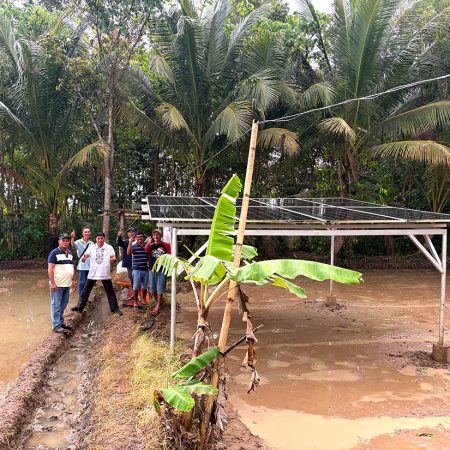
These systems also support income generation by enabling food processing, storage, and other productive activities even when the power grid fails. One community in Panay Island is already benefiting from their solar panels which have reduced their reliance on diesel to fuel pumps on their rice paddies.
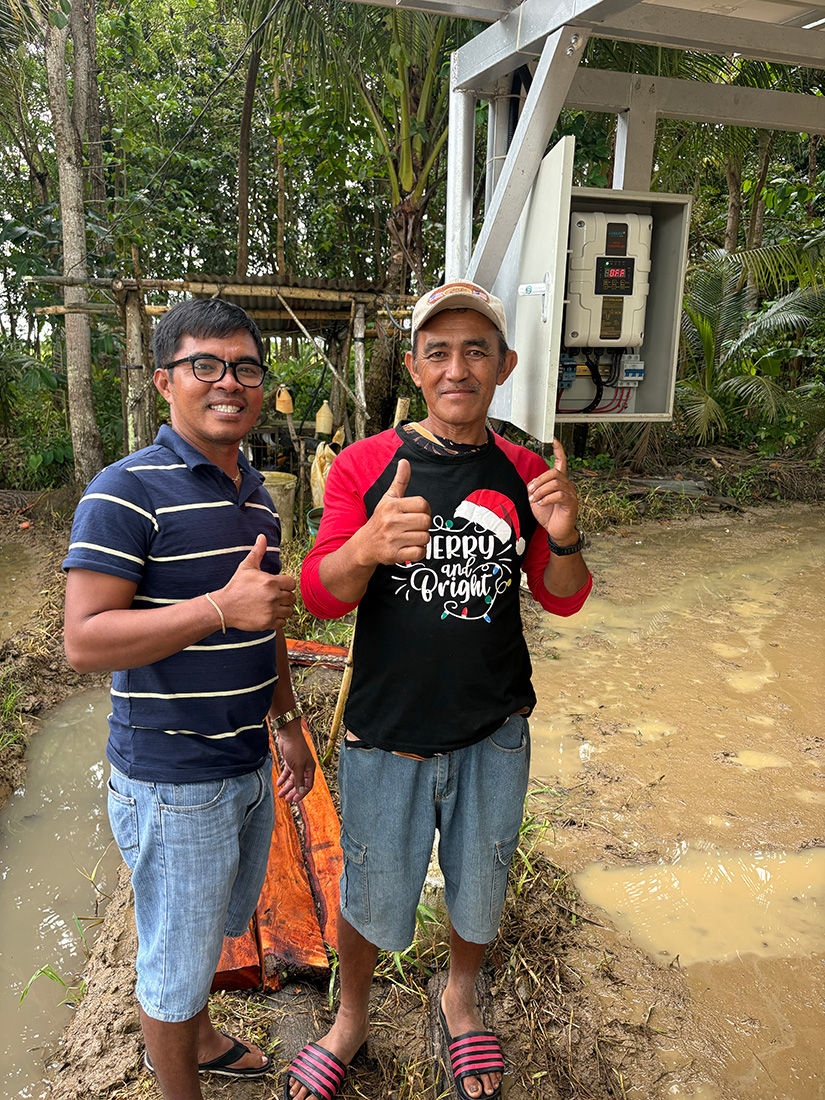
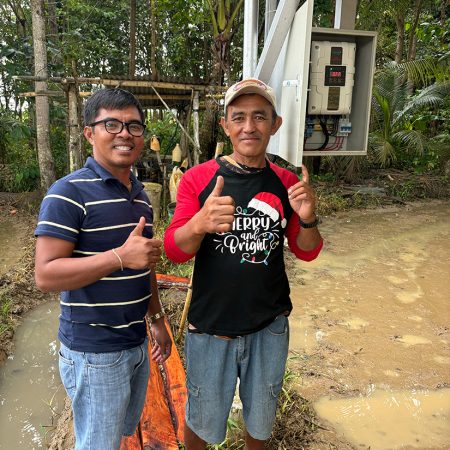
Rice farmer Joey (r) has received training from certified electrician Edward in how to maintain the recently installed solar panels and pump that service 4 ride.
Joey has learnt how to maintain the solar panels and the pump under the careful instruction of Edward, a qualified electrician. The solar panels and pump were situated so they could service four rice paddies.
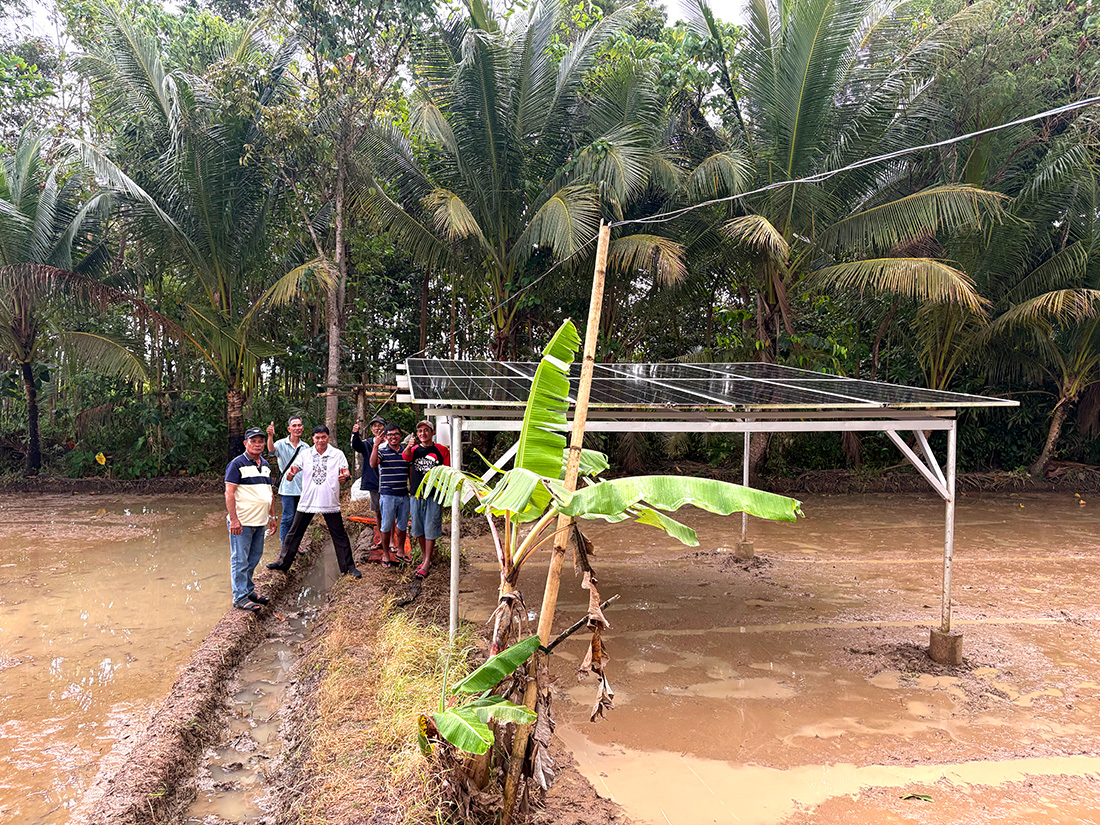
Rice farmer Joey with other local rice farmers showing the solar panels situated in the rice paddy. These reduce their reliance on diesel.
Securing Water in a Changing Climate
E‑CARE is establishing six rainwater harvesting and utilisation systems in highly affected communities. By capturing and storing rain during wet periods, water remains available during dry months. Reliable access to water improves health and sanitation, reduces the burden on women and children, and allows communities to better withstand droughts and storm‑related disruptions.
Strengthening Nature-Based Defences with Bamboo
Bamboo plays a vital role in climate adaptation. Across 10 sites, 250 participants will each plant 20 propagules. Bamboo stabilises soil, reduces erosion, absorbs carbon, and provides protection against flooding. Once mature, it is a sustainable resource for construction and craft production, linking environmental restoration with economic opportunity.
Protecting Food Security through Greenhouses
With weather patterns growing less predictable, greenhouses help farmers protect crops from extreme heat, heavy rain, and pests. E‑CARE’s greenhouse installations allow for more stable food production, improved nutrition, and reduced crop losses, strengthening household food security over the long term.
Building Skills for Sustainable Livelihoods
Economic resilience is essential in a changing climate. E‑CARE is delivering three alternative livelihood trainings: bamboo utilisation, eco‑technology instruction, and a solar‑powered muscovado processing system. These skills enable households to diversify income, reduce dependence on climate‑sensitive agriculture, and adopt low‑impact technologies that care for creation.
Preparing Communities for Climate and Disaster Risks
E‑CARE is conducting 25 climate change and disaster risk reduction awareness workshops. These sessions help communities understand local climate risks, recognise early warning signs, and act collectively during emergencies. Through knowledge, preparation, and shared responsibility, communities are better equipped to protect lives and livelihoods before disasters strike.
Together, these initiatives form a holistic response to climate change that addresses water, energy, food, livelihoods, and disaster preparedness. Rooted in faith and community participation, E‑CARE’s work strengthens local resilience and affirms that, even in a changing climate, communities can shape a more secure and hopeful future.
More information about the Philippines
The Republic of the Philippines is a tropical archipelago of more than 7000 islands, the largest being Luzon and Mindanao.
These two islands are home to around 70% of the country’s population, which in 2024 was estimated to be 119 million.
Agriculture is the primary and often only source of income for many Filipinos, and most families depend on subsistence farming and fishing for their livelihoods. Illiteracy, unemployment and the incidence of poverty are higher among indigenous peoples, women, landless workers, and small-scale farmers who cultivate land received through agrarian reform.
There is widespread poverty in rural areas, largely due to a lack of resources and a decline in the productivity and profitability of small-scale farming, as well as unsustainable practices that have led to deforestation and depleted fishing waters. The plight of poor people in rural areas is exacerbated by having little access to productive assets and business opportunities, formal employment, and microfinance services and affordable credit.
A Prayer for our Partner
Almighty and gracious God, we thank you for the Episcopal Church in the Philippines. Bless the growing classrooms of St Mark’s Children’s Learning Centre in Isabela: the hands that build, the teachers who serve, and the children who learn in safety and hope. Prosper plans made for the years ahead and establish their endowment in faithfulness. Guide communities shaped by your love towards resilience, wisdom, and care for your creation. As seasons change and hardships arise, bless efforts to gather water, restore trees, renew resources, and sustain livelihoods, that families may rise from poverty and love, hope and justice may bud and blossom this year. Through Jesus Christ our teacher and guide,
Amen.
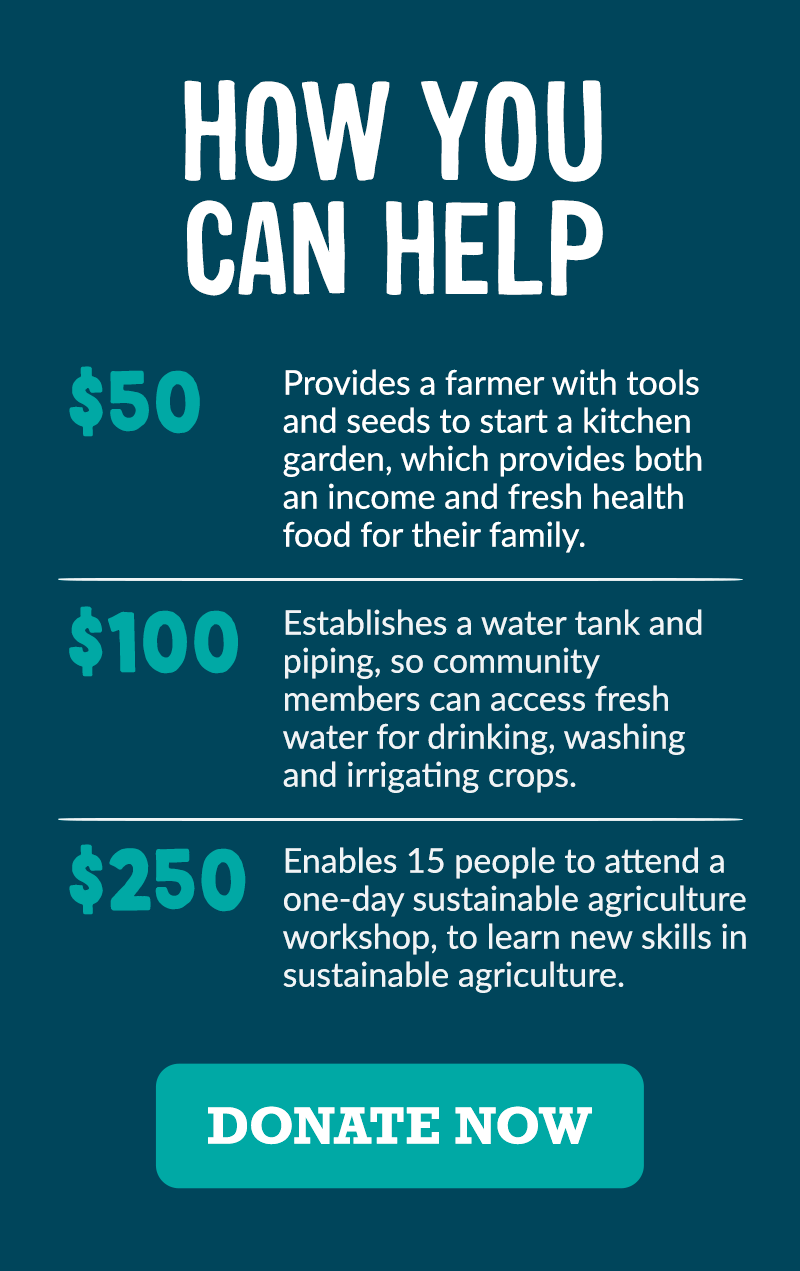



Your gift to AID’s Sustainable Communities work ensures the Episcopal Church in the Philippines continues to release many in the Philippines from crippling cycles of poverty through sustainable livelihoods. They empower families, uplift communities and provide greater educational opportunities for children.
We hope to raise
$120,000
for this partner
Donation code: XG011
Tax-deductible
Donate Online Now
You can transform lives and release many from crippling cycles of poverty by supporting the Episcopal Church in the Philippines.
Click here for other donation options
Need help? Call us 1300 302 663
As noted, this is a tax-deductible project. All donations are in Australian dollars (AUD) and all gifts of $2 or more are tax-deductible. Gifts are received by the trustee for the ‘Anglicans in Development Ltd’ ABN 86 647 293 481 Gifts will be applied to the support of projects selected. In the unlikely event of projects being oversubscribed or not proceeding to completion, donations will be applied to similar projects.
Updates
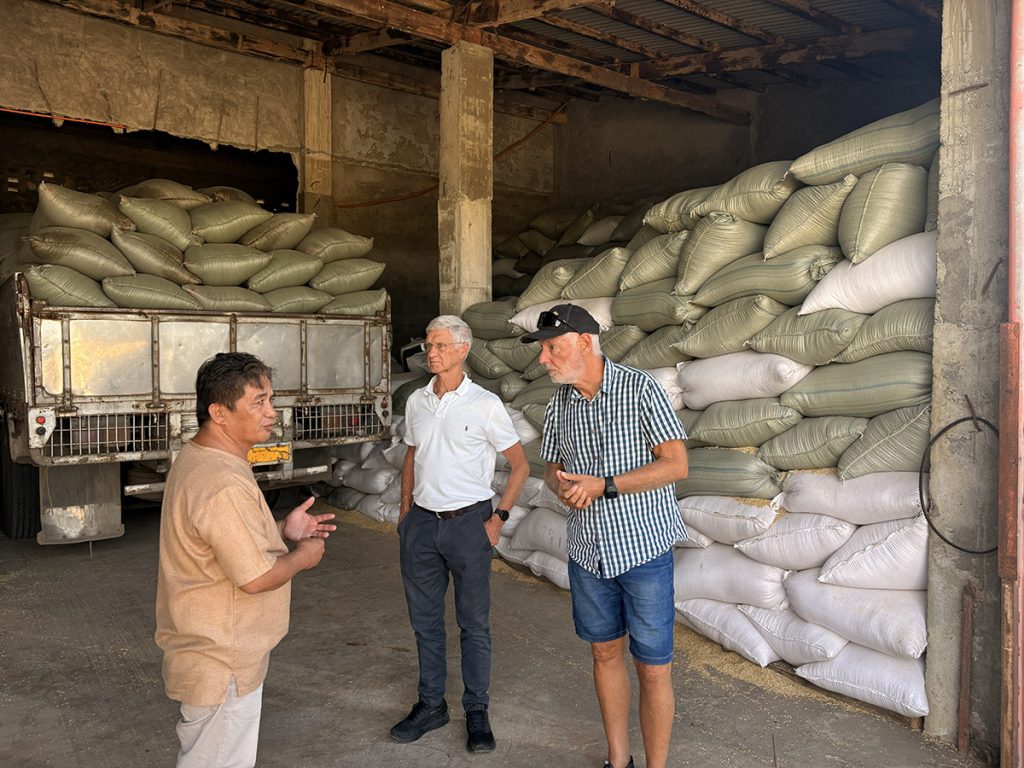
A Pilgrimage That Changes Perspective
Earlier this year, the Anglican Board of Mission (ABM) hosted a pilgrimage to the Philippines - an experience that proved both eye-opening and deeply encouraging. What we encountered was not simply a series of projects or programs, but a living example of faith expressed through community transformation, practical action, and quiet confidence.
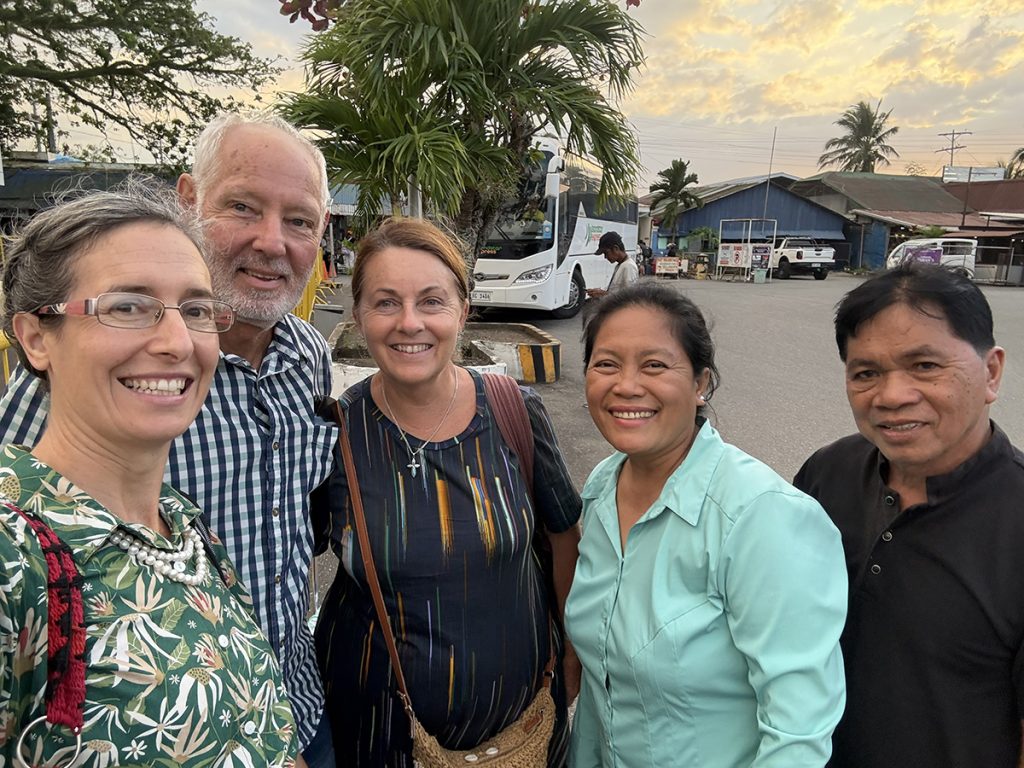
Mission as Pilgrimage: Transformative human encounter on the way from here to there. By Mary-Anne Rulfs
We rarely sit still or remain undistracted for long enough to pay attention to what is really happening around us, in real time, and be moved by who or what we encounter. To notice, and allow God to open our eyes, ears and heart to God’s spirit, right before our eyes.
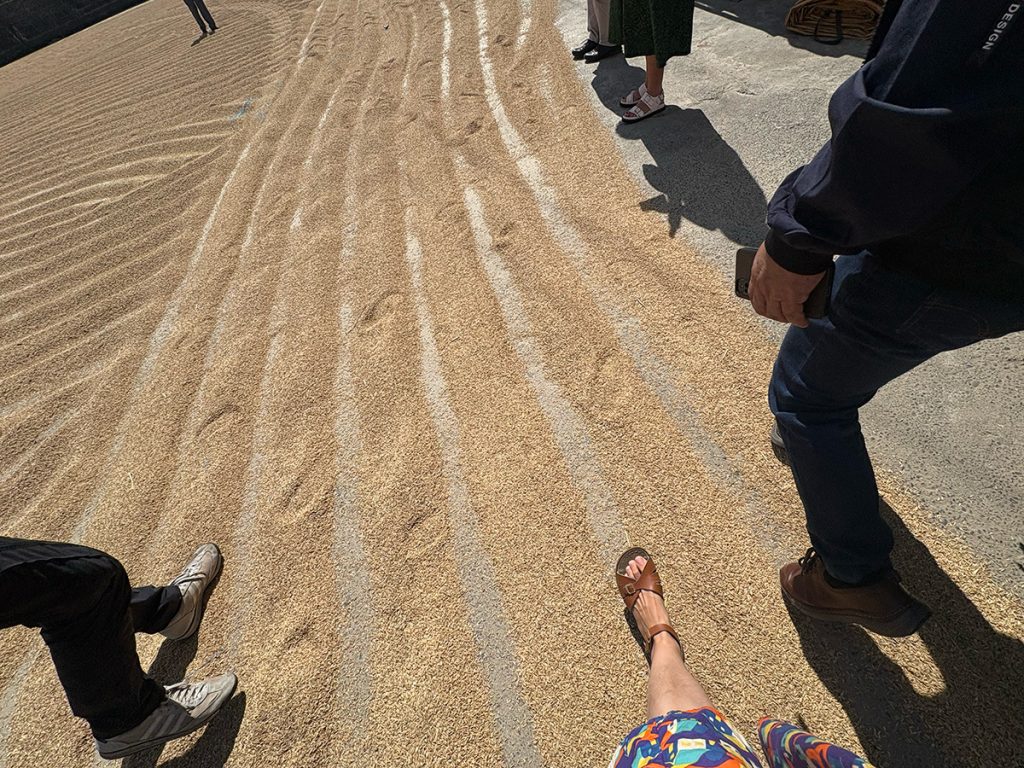
Concrete Foundations: How Strength‑Based Mission Transforms Communities Over Time
Read how a small investment from ABM sparked decades of change, showing how strength-based mission and trusted partnership empowered farmers, built resilience, and transformed livelihoods in the Philippines.


