Philippine Independent Church (IFI)
Strength in numbers:
the Bato Farmers and Drivers Association
‘Our organization is just eight months old, but we are happy to say that we were able to address four major issues.’ says Joel Sibas, a founding member of the Bato Farmers and Drivers Association (BAFADA).
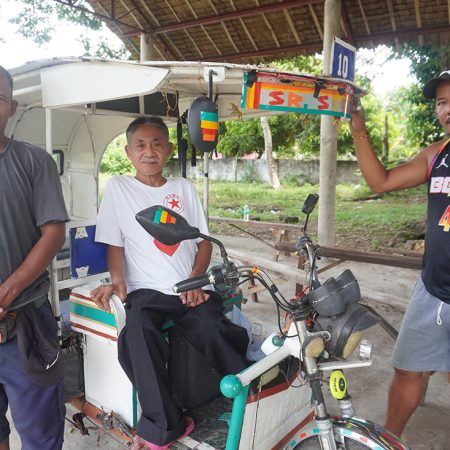
Members mainly earn their income from farming or driving ‘motorkads’, an improvised motorcycle attached with a bicycle’s side car. Before they formed their association, income was often unreliable and many turned to loan companies, who would charge up to 20% interest, to pay for vehicle repairs or farm inputs. They would then struggle to pay off the interest on top of their regular daily living costs.
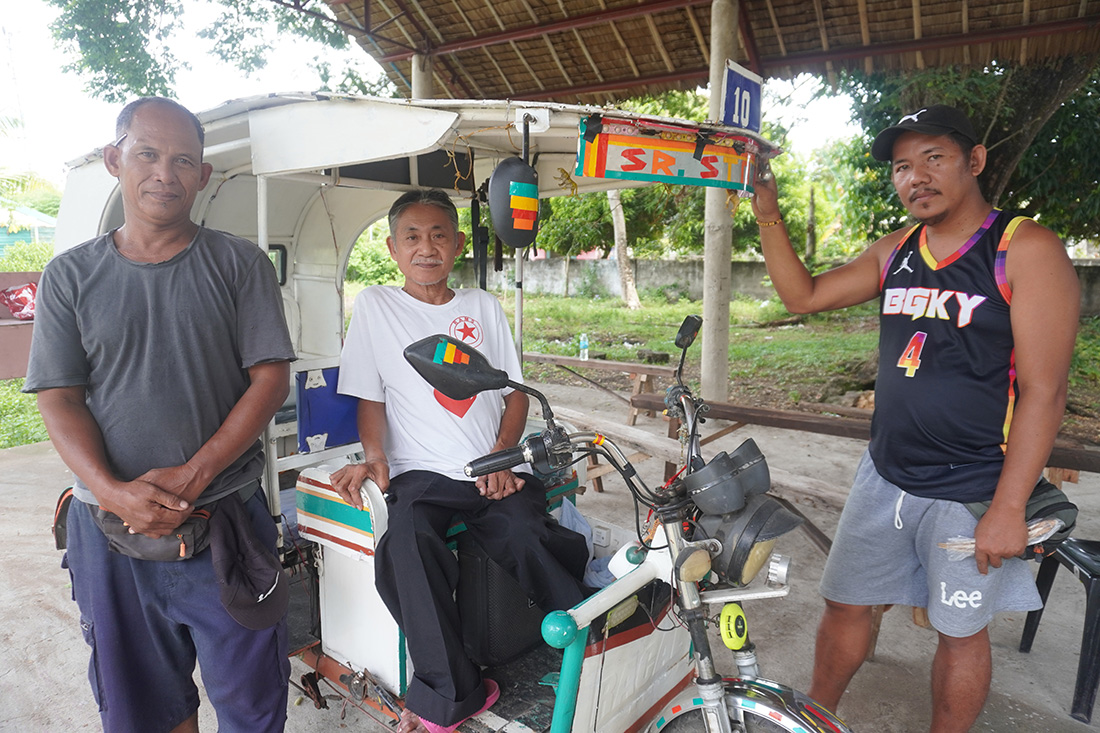
Joel, Ramsy and Joseph drive motorcycle taxis in Toledo city in the Philippines. They supplement their income through home gardening. © IFI-VIMROD. Used with permission.
When ABM AID’s partner IFI-VIMROD* visited the community in October2024 they were motivated to find solutions that address everyone’s concerns and interests. They completed a series of trainings that aims to build on local strengths and encourage collaboration between members.
“Through the project intervention, we saw the value [in] making creative and collective responses to issues affecting us. Our organization is just eight months old, but we are happy to say that we were able to address four major issues: 1) self-help project where each one of us contributed P200.00 for the start-up capital that allows us to lend money with very little interest and profit-sharing; 2) Availability of food through support system and maximization of lots for vegetable production and additional income; 3) Climate responses by collaborating with other [ ] IFI-VIMROD [community partners] and the youth through mangrove growing and coastal clean-ups, and finally, 4) we successfully negotiated with our barangay LGU to provide the motorkad drivers with parking station.”
It was only by working together, finding strength in numbers, that they were able to achieve all this.
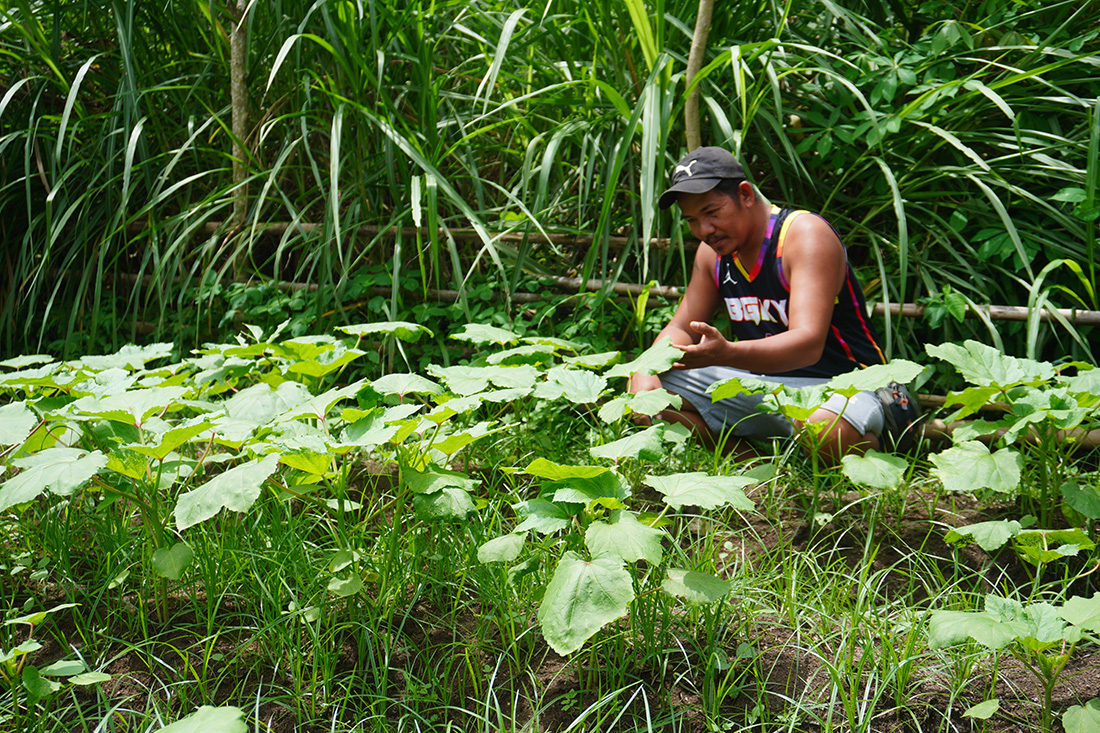
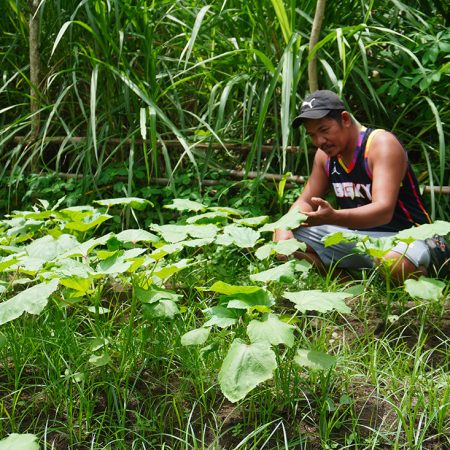
Joel now grows enough vegetables to feed his family and sell the excess as a second income stream, thanks to techniques he learnt as part of IFI VIMROD’s program with BAFADA © IFI-VIMROD. Used with permission.
After learning how to grow more vegetables on his block of land, Joel now produces more than enough for his family, selling the surplus vegetables at the local market and providing additional income. He and his fellow BAFADA members no longer need to resort to high interest loans but can support each other.
* Philippine Independent Church (Iglesia Filipina Independiente – IFI) Visayas-Mindanao Regional Office for Development (VIMROD)
Our Partner – the Philippine Independent Church (Iglesia Filipina Independiente – IFI)
ABM AID partners with the (IFI-VIMROD), part of the IFI is the second largest Christian denomination in the Philippines after the Roman Catholic Church, with an estimated membership of 10 million. It is in full communion with the Anglican Communion.
VIMROD engages in community development and advocacy on behalf of the IFI church in the Philippines regions of Mindanao and the Visayas. ABM AID supports the work in the Visayas.
The Work We Support
ABM AID supports the work of IFI-VIMROD in bringing together groups in the community (farmers, fisherfolk etc) to work together, identifying their community assets and using them to improve the livelihoods of the whole group. The VIMROD project provides small start-up funds to kick-start group livelihood activities, such as pig-raising and organic farming techniques.
The Low-External-Input Sustainable Agriculture approach also includes use of organic fertilisers and pesticides to reduce costs. In some communities, traditional crop varieties are used that are more resilient to climate shocks.
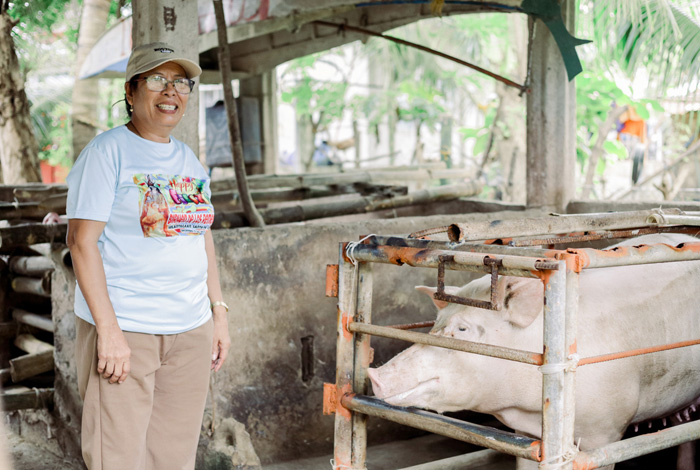
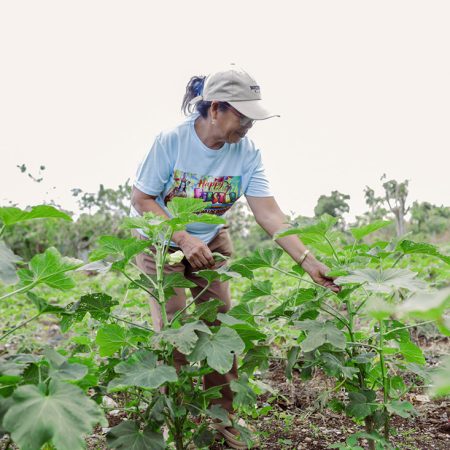
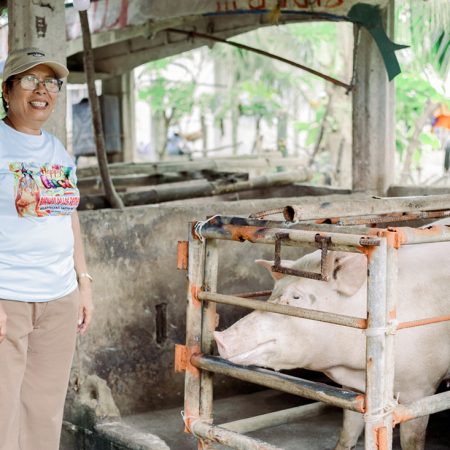
Luz learnt how to use waste products from her garden such as rice husks an corn stalks to improve the condition her pigs lived in. She learnt how to make better pig feed that both reduced the smell and improved their health. She also learnt how to make organic fertilizer using fish that increased her yield.
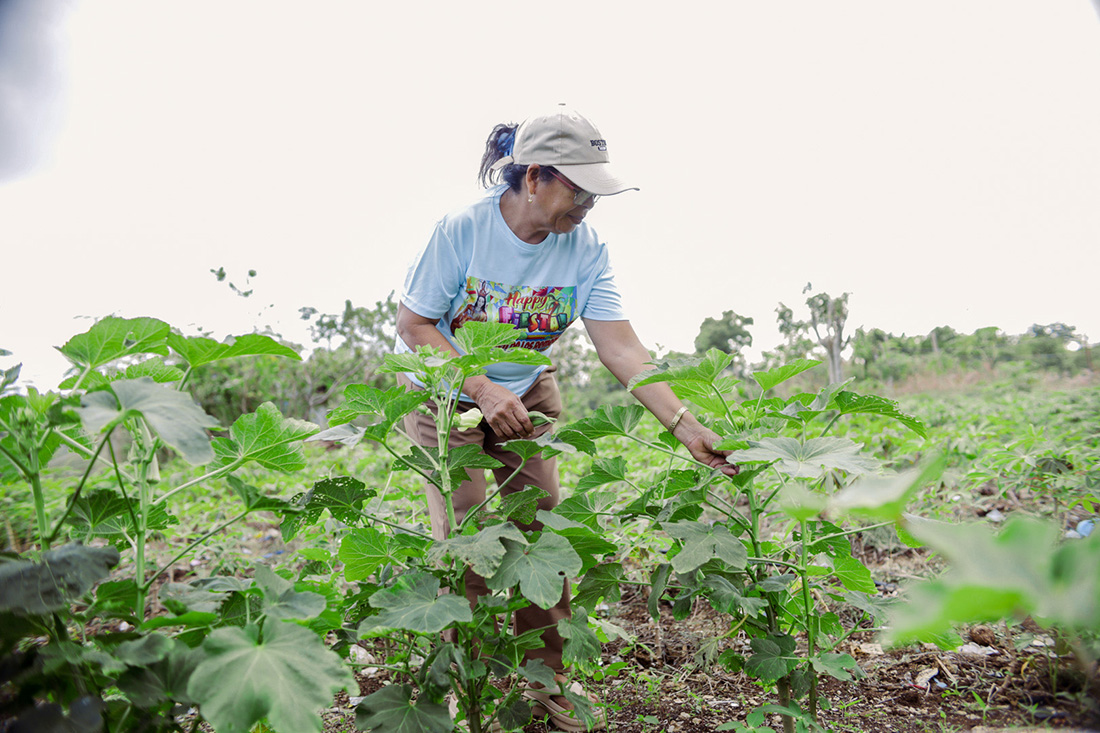
Luz uses organic fish amino acid to fertilise the vegetables in her garden. © IFI-VIMROD. Used with permission.
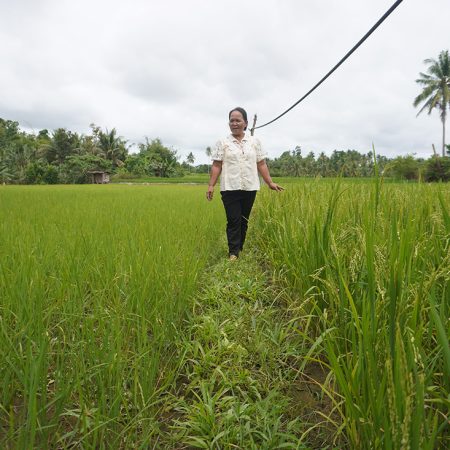
Like Luz, Helen started using homemade fertiliser and propagating traditional rice in August 2024, with seeds and training provided through a community group set up by ABM AID’s partner VIMROD. Her expenses dropped by 50% and when drought struck her village, her rice grew better than neighbours’ rice.
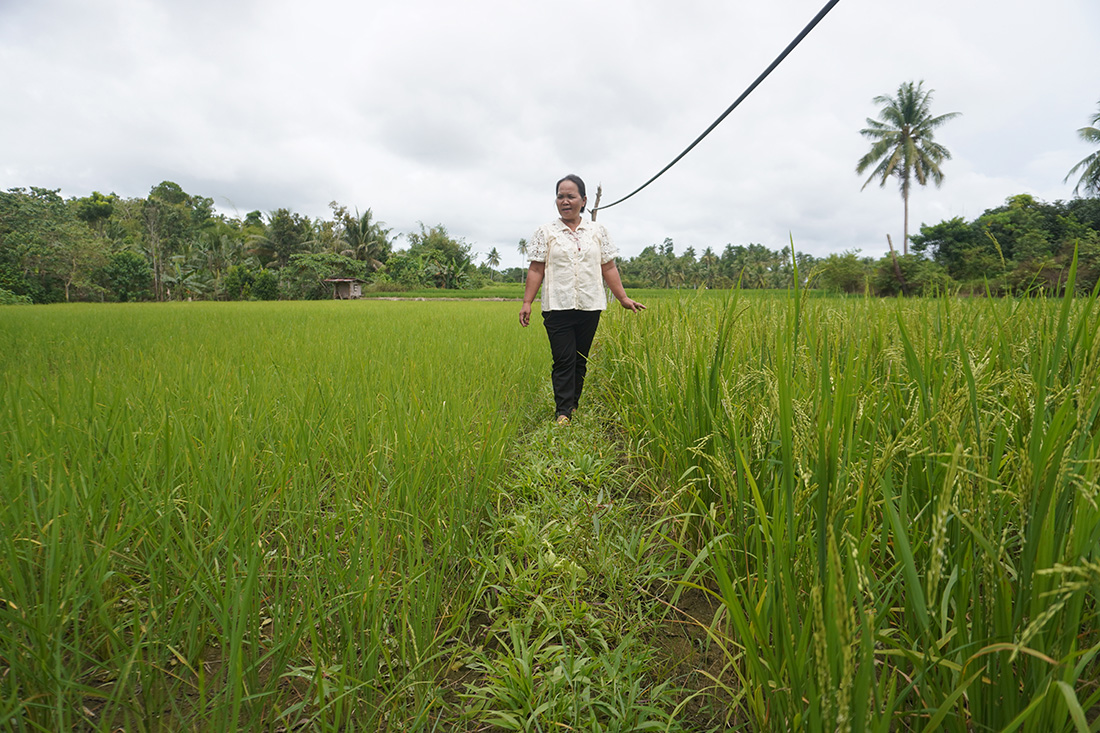
Helen’s homemade fertiliser and traditional rice crop resulted in both a 50%drop in expenses and a better yield than her neighbours. © IFI-VIMROD. Used with permission.
Alongside the Low-External-Input Sustainable Agriculture method, VIMROD also assists groups to prepare their community-based Disaster Management Plan and link with local government on initiatives like mangrove planting and agricultural exhibitions.
This work empowers families to thrive sustainably while strengthening community bonds.
More information about the Philippines
The Republic of the Philippines is a tropical archipelago of more than 7000 islands, the largest being Luzon and Mindanao.
These two islands are home to around 70% of the country’s population, which in 2024 was estimated to be 119 million.
Agriculture is the primary and often only source of income for many Filipinos, and most families depend on subsistence farming and fishing for their livelihoods. Illiteracy, unemployment and the incidence of poverty are higher among indigenous peoples, women, landless workers, and small-scale farmers who cultivate land received through agrarian reform.
There is widespread poverty in rural areas, largely due to a lack of resources and a decline in the productivity and profitability of small-scale farming, as well as unsustainable practices that have led to deforestation and depleted fishing waters. The plight of poor people in rural areas is exacerbated by having little access to productive assets and business opportunities, formal employment, and microfinance services and affordable credit.
The Philippines is also now rated as the world’s #1 most vulnerable country to natural disasters (the new calculation method factors in population at risk).
A Prayer for our Partner
Provider God, we give thanks for the wisdom behind the Low-External-Input Sustainable Agriculture approach and for the communities embracing sustainable practices that care for your creation and improve livelihoods. Bless the work of IFI-VIMROD as they empower farmers to use local resources for organic farming and pig-raising, reducing costs and stress on animals. We thank you for the generosity of donors in Australia whose gifts make this transformation possible. May their kindness bear fruit in stronger communities, healthier families, and a flourishing environment. Guide all hands that work for justice and sustainability. We ask this through your Son Jesus Christ our Lord.
Amen.
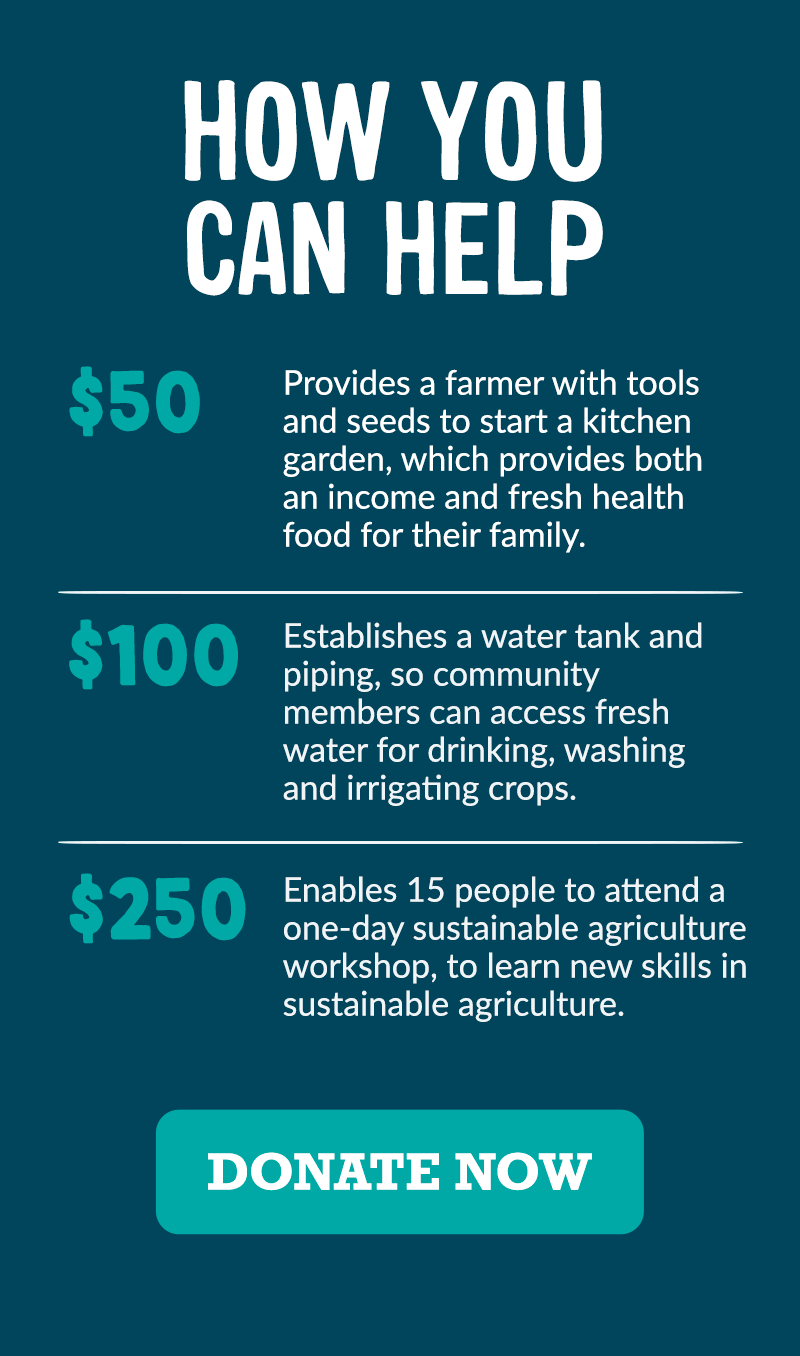



We invite you to change lives today. Your gift will help expand this transformative work, equipping farmers with sustainable tools and training to grow healthier food, raise stress-free livestock, and secure stronger incomes. With you help, we can build thriving communities and brighter futures. Give now and be the reason families flourish.
We hope to raise
$50,000
for this partner
Donation code: XG011
Tax-deductible
Donate Online Now
You can empower communities in the Visayas and Mindanao regions of the Philippines to build viable futures for their families and create healthy communities by supporting IFI-VIMROD.
Click here for other donation options
Need help? Call us 1300 302 663
As noted, this is a tax-deductible project. All donations are in Australian dollars (AUD) and all gifts of $2 or more are tax-deductible. Gifts are received by the trustee for the ‘Anglicans in Development Ltd’ ABN 86 647 293 481 Gifts will be applied to the support of projects selected. In the unlikely event of projects being oversubscribed or not proceeding to completion, donations will be applied to similar projects.
Updates
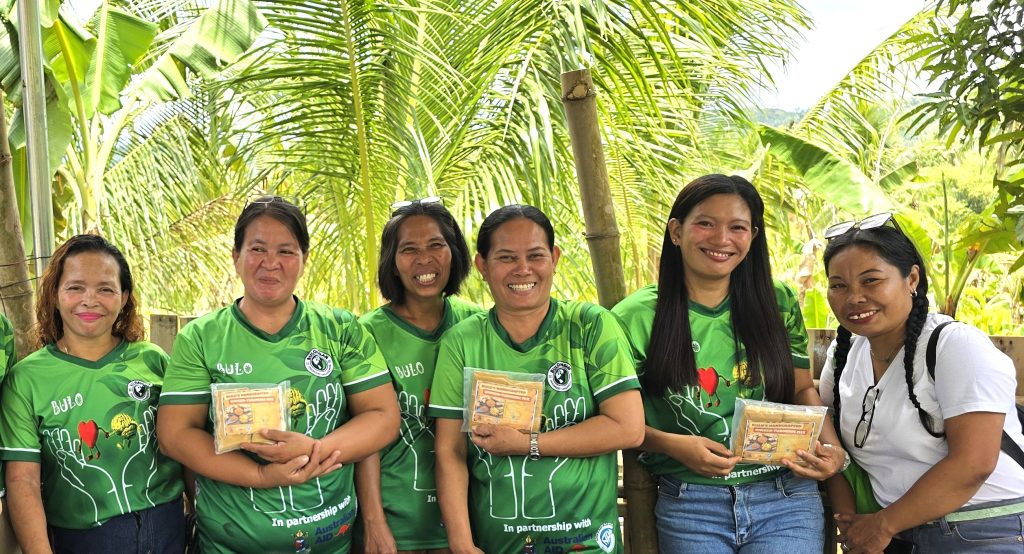
More food, more capital, better prepared: Evaluation finds hundreds of people positively impacted by program in the Philippines
Independent evaluation finds that hundreds of rural people have gained new skills in organic farming and increased their food production through an AID-funded program in the Visayas region of the Philippines.
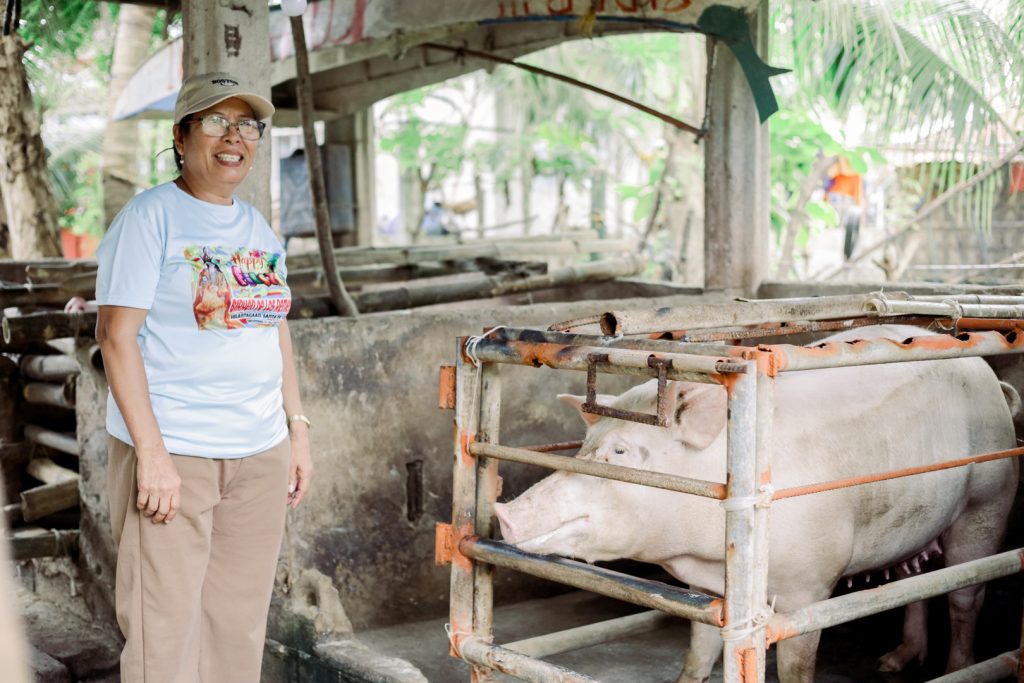
Luz extends her purchasing power
Read how an ABCD (assets-based community development) project built the financial capacity and purchasing power of Luz, a woman in Cebu in the Philippines
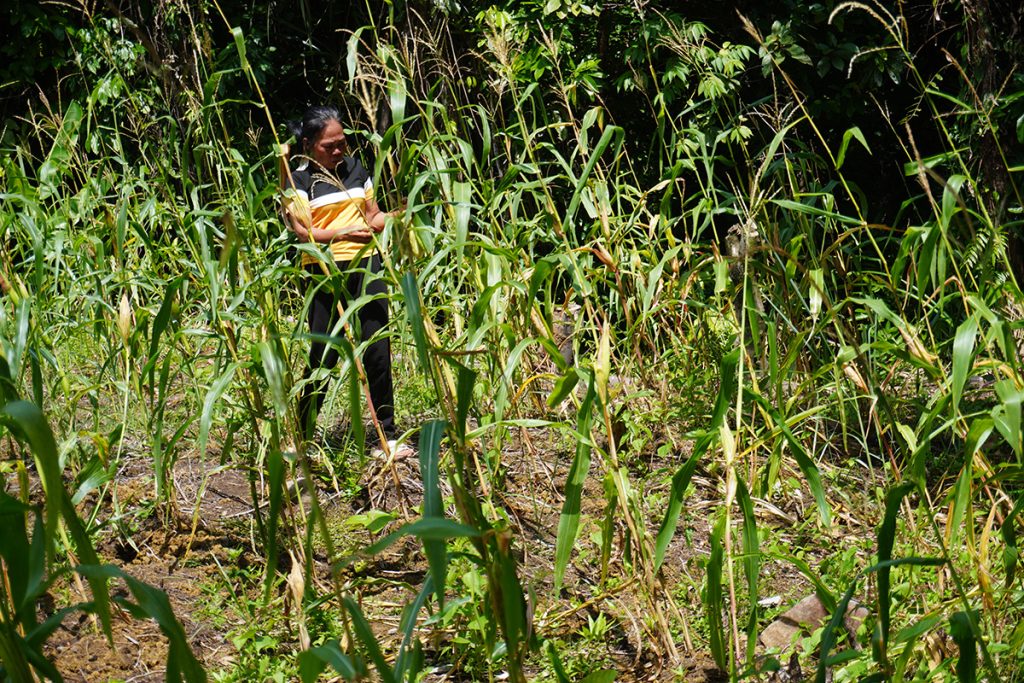
In Stewardship, the Tiniest Things also Count the Most
Read in the Philippines how farmer Marietta’s handful of seeds are multiplied almost a hundredfold.

