“This project has transformed lives”: Zambia evaluation finds less conflict, more equality between men and women
An independent evaluation of the Zambia Anglican Council’s Gender Program has found that equality between men and women has improved, conflict has reduced, and local organisations have banded together as a result of the program’s activities.
As one community member explains:
“This project has transformed lives in Kalwani. Before the project, there were frequent conflicts within the community, and even churches did not work together. But now we are seeing different churches coming together and working together.”
“We used to think gender-based violence was normal,” another community member explained, “but now we are aware that it is a crime.”
In one case study, married couple Kelvin and Bethsheba (pictured below) spoke about how the program has improved the quality of their marriage.
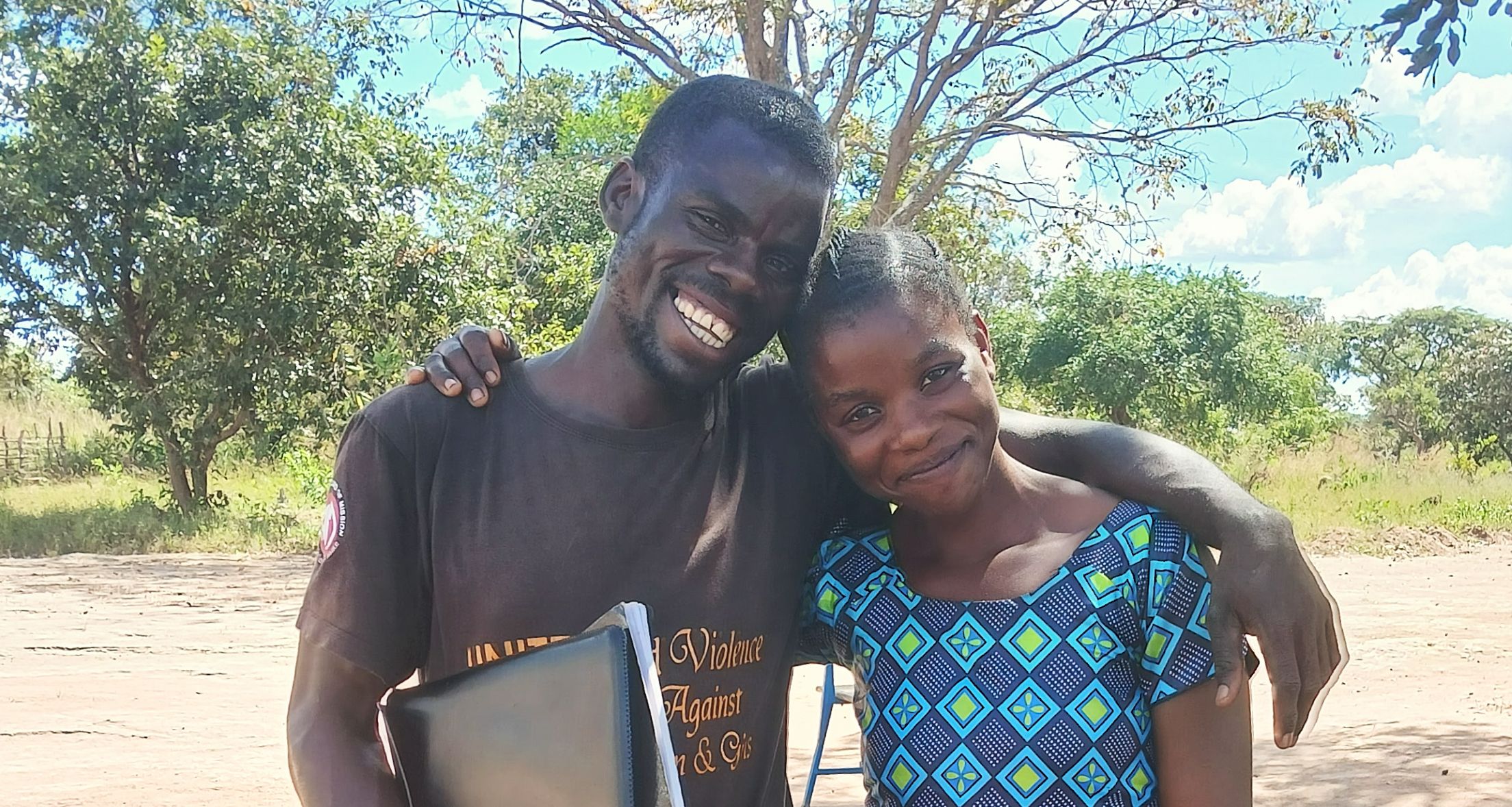
Kelvin and Bethsheba say that the program has brought peace to their marriage and community in Zambia © ZACOP. Used with permission.
Kelvin could sometimes be violent, especially when drunk.
But when the project started in 2022, Kelvin was trained as a Gender Action Group member. He took what he learned seriously and began making changes in his own life. He stopped drinking alcohol and became a men’s champion, encouraging other men in the community to promote peaceful marriages and respect for women and girls.
In 2024, Kelvin was selected for further training as a paralegal officer. He now helps community members understand their rights and supports efforts to address cases of gender-based violence in his community.
Bethsheba says the changes in her husband have transformed their home for the better.
“Our marriage is now happy and peaceful,” she says.
She is grateful for the project and believes it has made a lasting difference to their family.
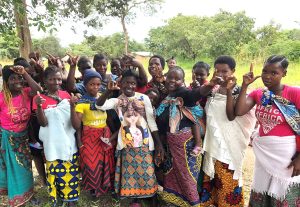
A group of young mothers in Zambia, where an ABM AID supported project is improving gender equality © ABM AID. Used with permission.
This spirit of cooperation has also extended to the relationship between local churches and other organisations. Cases of gender-based violence that cannot be resolved at community level are escalated to a Steering Committee, organised through Zambia Anglican Council Outreach Program (ZACOP). A wide variety of people volunteer their time as committee members: traditional leaders, teachers, health staff, clergy and even government agricultural officers.
“The police have also provided several training and awareness raising sessions,” noted a community member.
The independent evaluation included many interviews as well as a survey of 438 respondents.
92.69% of those interviewed reported a reduction in gender-based violence over the previous three years, and 79.45% said that women’s leadership had improved.
The ZACOP program has built community-based Gender Action Groups, Men’s Groups and Savings Groups to promote gender equality, and to improve financial and leadership opportunities for women.
But there is always room for improvement, and the evaluation made some recommendations in relation to these groups. These included involving more men, helping volunteer networks (such as Gender Action Groups) to link with other institutions, and transitioning community-based savings groups into formal cooperatives and market-oriented enterprises.
We thank Australian Aid for supporting both the ZACOP Gender Program and the 2026 evaluation. We also gratefully acknowledge contributions from our own supporters and the hard work of ZACOP staff and local community members.
ZACOP’s Integrated Gender Equality program in Zambia receives support from the Australian Government through the Australian NGO Cooperation Program (ANCP).