Water, Work and Hope in Kenya: Annah’s Story of Resilience
In Kakunike Village in Katangi, Machakos County, farming has always been a struggle.
The land is dry, water is scarce, and for years, families walked long distances just to fetch water for their homes and livestock. For Annah, a mother of four and a small‑scale vegetable farmer, life was especially tough.
“Kakunike village is very dry and farming has never been easy,” she shared. “Sometimes the well would dry up then the crops would not do well.”
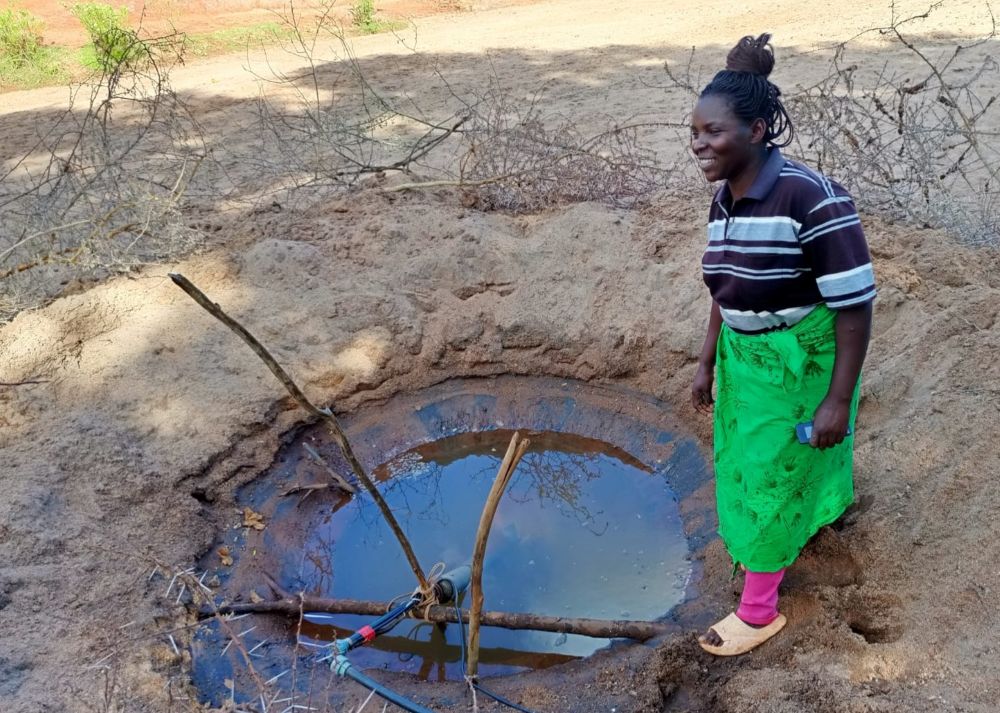
Annah at her shallow well in Kenya © ADSE. Used with permission.
Joining the Project
Everything began to change when Annah learned about a new initiative introduced in her community by ABM AID’s local partner in Kenya, Anglican Development Services Eastern (ADSE). She first heard about the project during a community ‘baraza’ – a Kiswahili word meaning public meeting – and was later invited to participate in a Gender, Disability and Social Inclusion study. As a woman considered vulnerable in her community, Annah welcomed the chance to have her voice heard.
“We were mobilized to join a self-help group and now I am a member of Kasonge Self-Help Group,” she said.
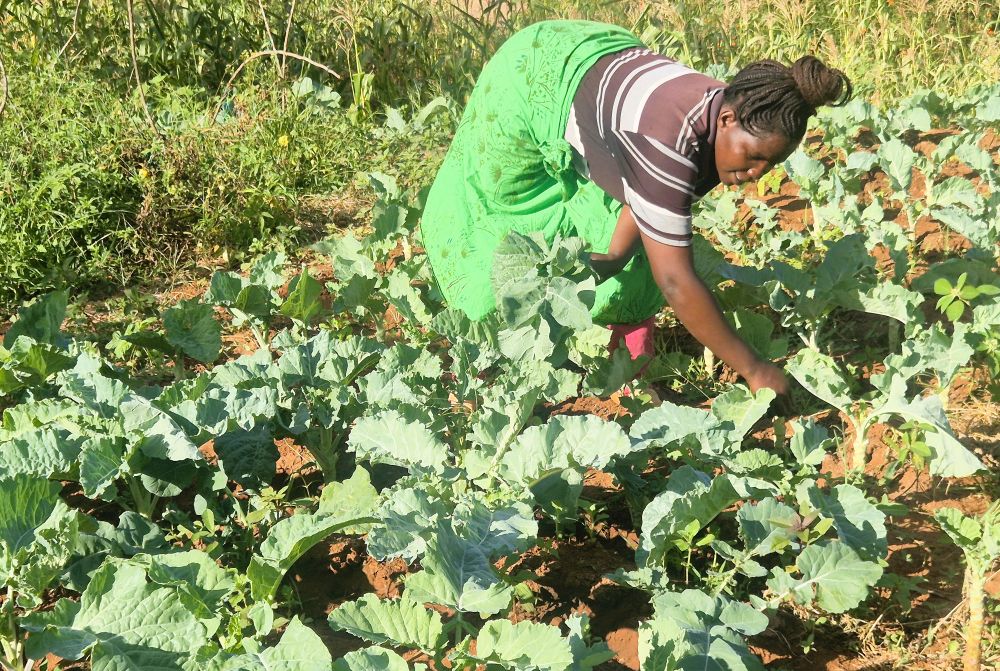
After participating in agricultural training and a loans scheme, Annah has increased her farming yield and her income © ADSE. Used with permission.
Small Loans, Big Changes
Through the group, Annah joined the local Village Savings and Loan Association (VSLA) and began accessing small loans that soon transformed her farm. With her first loan of 500 Kenyan Shillings (approx AUD $5.50), she bought fertilizer. With the next, 1,500 Kenyan Shillings (AUD $17), she invested in vegetable seeds. A third loan of 4,000 Kenyan Shillings (AUS $45) allowed her to buy tomato seedlings to expand her farming.
She explained how the impact grew quickly. “I have an improvised shallow well upstream of the sand dam, and due to the raised water table, the well now retains more water for longer periods compared to before.”
Growing Income and Food Security
With more reliable water, her crops flourished. Annah harvested 12 crates of tomatoes, up from a maximum of just two crates before the project. Training sessions run by the Ward Agricultural Officer also helped her adopt better farming practices, from seed selection to pest control.
As a result, Annah now earns around 400 Kenyan Shillings (approx. $4.40 AUD) per day from selling her greens and spinach – four times more than before. This increased income has made a real difference at home, especially when it comes to paying school fees for her children.
ADSE also trained her group on creating conical gardens. From these alone, she has earned KES 5,100 (AUD $56), while saving money by growing more food at home.
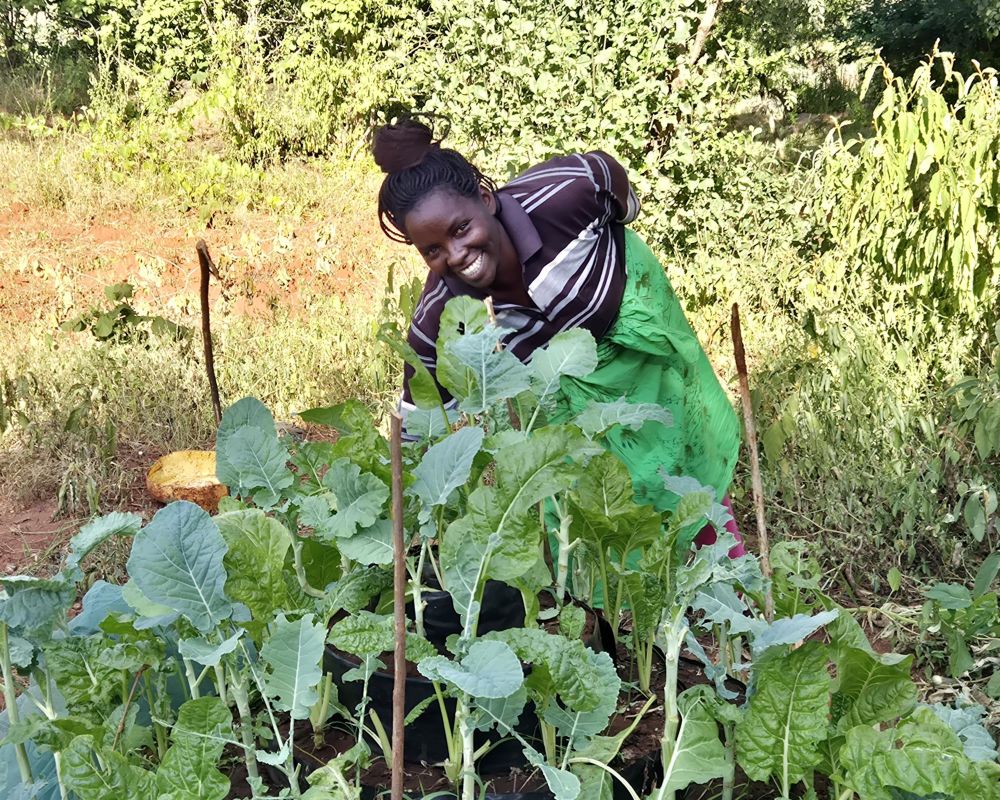
Annah tends her conical garden, which she learnt how to make through our local partner in Kenya © ADSE. Used with permission.
Beyond income, Annah says the project changed how the community works together. The construction of a sand dam brought people – especially women – into roles they had never played before. She proudly explained how she took part in the construction tasks that helped make the sand dam a reality.
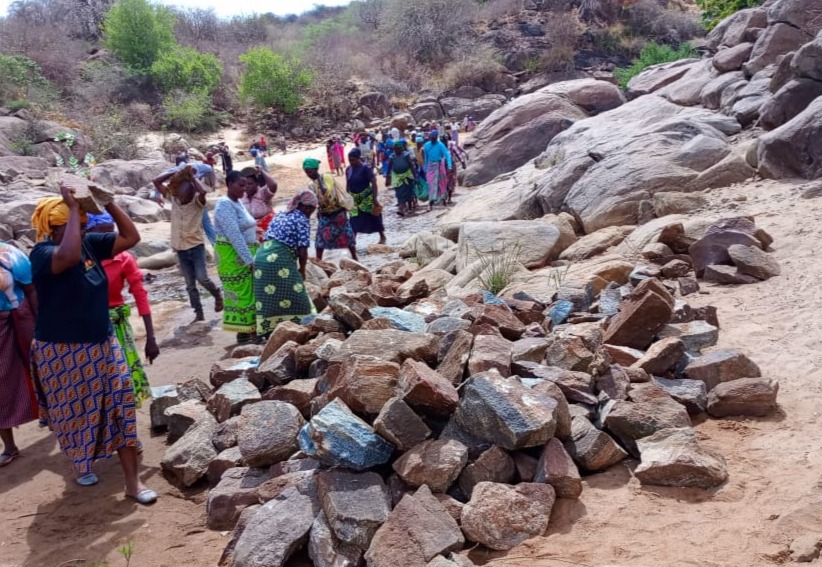
People work together to build a sand dam that provides fresh water close by. © ADSE. Used with permission.
From Annah’s experience, the community learned valuable lessons. Small loans can spark huge improvements. Water‑harvesting structures like sand dams are vital in dry areas. And linking farmers to agricultural extension services boosts productivity.
Today, Annah is optimistic. With stable water, stronger farming skills, and the support of her self‑help group, she feels her family is finally moving from vulnerability toward resilience.
ADSE’s Livelihoods program in Kenya receives support from the Australian Government through the Australian NGO Cooperation Program (ANCP).